Working in Real Estate UAE means earning through licensed advisory, sales, leasing, marketing, or property management inside a regulated property market. Dubai Land Department reported AED 252 billion in Q1 2026 real estate transactions and 60,303 transactions. For Oplus International Realty, the upside is real, but legal licensing and pipeline control decide results.
Market activity gives agents daily commercial proof
The UAE property sector gives real estate professionals a clear advantage: clients can see market activity happening in real time. Dubai recorded more than AED 917 billion in real estate transactions in 2025, according to Dubai government data, followed by AED 252 billion in Q1 2026 according to Dubai Land Department.
That matters for agents because a busy market creates more conversations. Buyers ask about entry timing. Owners ask whether to sell. Tenants compare renewal costs. Developers push new launches. Investors review yield, payment plans, handover risk, and resale routes.
A slow market forces agents to sell confidence. A liquid market lets agents sell evidence.
This does not mean every agent earns well. It means trained agents have more chances to convert real demand into income.
Commission income can scale, but it is not passive
Real estate can pay more than a fixed office role because income is tied to deal value. A single villa, waterfront apartment, commercial unit, or off-plan investment can produce a commission larger than a monthly salary in many sectors.
The trade-off is pressure. New agents may wait weeks or months before a first deal closes. Leads can disappear. Buyers can delay. Owners can change price expectations. Developers can revise availability. A commission career rewards persistence, follow-up, and product memory.
Agents who track every inquiry, qualify budget early, and specialize in a clear segment usually move faster than agents who chase every lead.
Personal tax treatment supports higher take-home pay
The UAE does not levy income tax on individuals, according to the UAE Government Portal. For real estate professionals, this can support stronger take-home income compared with markets where commission income is reduced by personal income tax.
This should not be misread as “no costs.” Agents may still deal with licensing expenses, visa costs, transport, marketing, training, and business setup costs depending on employment structure. VAT may also apply to certain goods and services.
The real advantage is cash retention. When commission is earned legally through a licensed brokerage or approved structure, the absence of personal income tax can make high-performance months more valuable.
Regulation creates trust for licensed agents
A real estate career in the UAE is not just about selling. It is about regulated practice. In Dubai, DLD’s professional practice card service covers real estate brokers, project marketing cards, mortgage brokers, real estate consultants, and related activities.
DLD lists AED 500 for issuing a real estate broker card and AED 700 for the broker exam, plus knowledge and innovation fees. DLD also states that no person has the right to practice the activity registered in the licence without obtaining the correct card.
In Abu Dhabi, the DARI/ADREC process allows an approved individual broker to download a broker card after the registration application is completed.
This protects clients and filters the market. It also gives serious agents a trust signal that unlicensed operators cannot match.
Visa policy keeps long-term buyers engaged
Real estate careers benefit when buyers see property as part of a long-term UAE plan. The UAE Golden Visa route for real estate investors requires a letter proving ownership of one or more properties valued at AED 2 million or more, according to the Federal Authority for Identity, Citizenship, Customs and Port Security.
For agents, this does not mean every buyer is visa-led. Some buy for yield. Some buy for family use. Some buy for capital preservation. Some buy to diversify outside their home country.
Still, residency policy adds another decision layer. Agents who understand visa thresholds, ownership documents, mortgage limits, and title deed details can give clearer guidance before referring clients to the correct legal or government channel.
Dubai and Abu Dhabi offer different career lanes
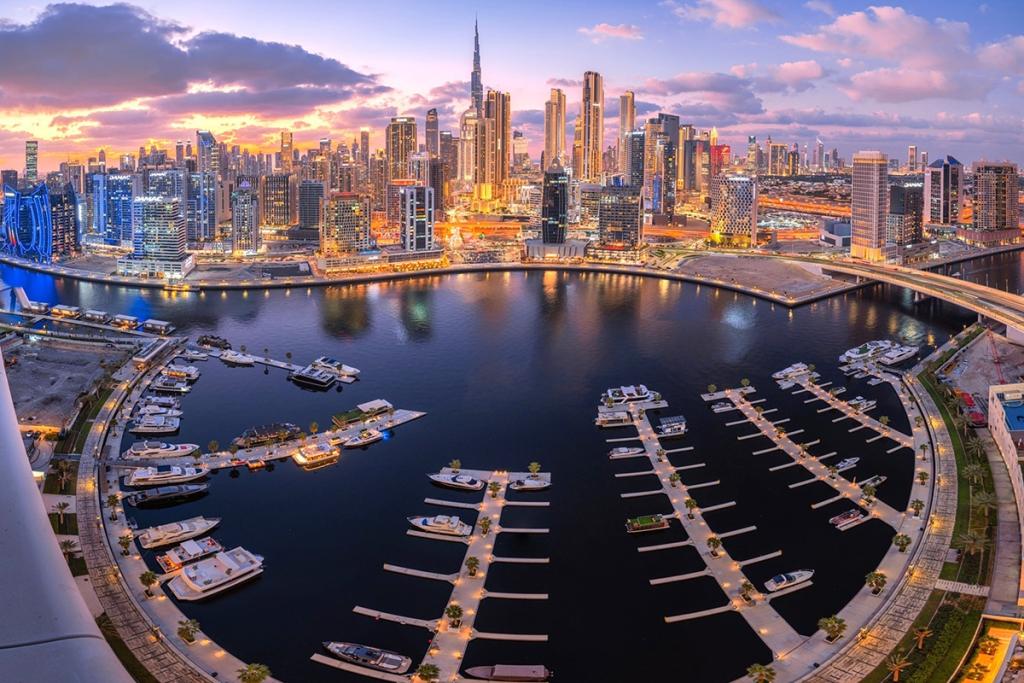
Dubai often gives agents higher transaction speed, more launch activity, and a larger international investor pool. DLD’s Q1 2026 data showed AED 173 billion in real estate investments across 57,744 investment transactions.
Abu Dhabi can offer a different path: longer client relationships, government-linked demand, end-user family demand, island communities, and major master developments. Agents who work across Yas Island, Saadiyat Island, Al Reem Island, Al Raha Beach, and Khalifa City often need deeper area knowledge because buyer decisions are more lifestyle- and school-led.
The smarter career move is specialization. A Dubai off-plan closer and an Abu Dhabi family-home advisor need different scripts, different data, and different follow-up systems.
For Dubai-focused research, agents can use the Dubai investment guide as a base for area positioning and buyer questions.
Infrastructure creates new listing stories
Infrastructure is a powerful sales driver because it changes how people value location. Metro access, road links, schools, malls, business districts, healthcare access, and waterfront upgrades can shift buyer demand.
In Dubai, infrastructure narratives are often linked to new communities, future connectivity, and price gaps between established and emerging districts. In Abu Dhabi, the story is often tied to lifestyle islands, cultural districts, schools, family movement, and master-planned supply.
A good agent does not say, “This area will boom.” A good agent explains what is confirmed, what is planned, what is priced in, and what remains uncertain.
That difference builds trust.
The client base is cross-border by design
The UAE property market attracts residents, foreign investors, GCC buyers, business owners, relocators, and long-term tenants converting into buyers. DLD reported AED 148.35 billion in foreign real estate investment value in Dubai in Q1 2026.
This creates strong career value for agents with language skills, cultural awareness, and clear communication. Arabic, English, Russian, Hindi, Urdu, French, Chinese, and other languages can all help depending on target segment.
Want to know the best real estate options in the UAE? Contact us today to inquire!
Contact us via WhatsAppThe agent’s job is not only to show units. It is to reduce confusion for a client who may be comparing UAE property with banking, residency, school, and tax conditions in another country.
Skill growth is fast because the deal cycle is demanding
Real estate forces fast learning. Agents handle pricing, negotiation, objections, client psychology, legal documents, developer terms, mortgage basics, handover issues, renewal pressure, and marketing channels.
A year in a busy brokerage can teach skills that transfer into sales leadership, investment advisory, property management, asset marketing, CRM operations, paid ads, and developer relations.
The learning curve is not gentle. New agents must absorb community names, building quality, handover records, service charges, payment plans, and legal steps while still prospecting daily.
That pressure is exactly why the industry can change a career quickly for people who can handle rejection and stay organized.
The market rewards specialists, not generalists
The UAE has too many agents saying the same thing. The career upside is stronger for people who become known for a specific lane.
Examples include:
- Dubai waterfront apartments for investors
- Abu Dhabi family villas near schools
- Yas Island and Saadiyat Island lifestyle property
- Off-plan payment plan comparison
- Luxury rentals for relocating executives
- Commercial space for SMEs
- First-time buyer education
- Landlord portfolio leasing
Specialization helps content, referrals, follow-up, and client trust. It also makes paid ads and social content easier because the message becomes sharper.
Agents who try to sell everything to everyone often sound replaceable.
How to start legally in UAE real estate
Start with the emirate where you plan to operate. Dubai and Abu Dhabi have different systems, so the first step is to check the official licensing path before approaching clients.
A practical route looks like this:
- Join or set up under a licensed real estate company.
- Complete the required broker training or exam route for the emirate.
- Apply for the correct broker card or practice card.
- Learn the area, project, and legal basics before running ads.
- Build a CRM process for calls, WhatsApp, viewings, offers, and follow-up.
- Pick one niche for the first 90 days instead of chasing the full market.
For Abu Dhabi regulation research, the ADREC Abu Dhabi Real Estate Centre guide gives new agents and clients a useful starting point.
The honest part: real estate is not for everyone
Based on inquiries Oplus receives from people exploring the UAE property sector, the most common mistake is assuming real estate income starts immediately. It does not. The first months can be slow, even in a busy market.
This career suits people who can prospect daily, accept delayed payment, learn legal details, and speak with clients under pressure. It does not suit people who need a fixed salary rhythm, dislike follow-up, or expect quick income without training.
The UAE market creates opportunity. It does not remove competition.
Key takeaways
Working in Real Estate UAE can be a strong career move because the market has transaction depth, international demand, tax-efficient personal income, and clear licensing systems.
The best results usually come from agents who treat the job as advisory work, not listing spam. Learn the rules, pick a niche, track your pipeline, and use verified market data when speaking with buyers and sellers.
For Abu Dhabi opportunities, agents and clients can review Abu Dhabi real estate areas to understand how community positioning affects buyer decisions.
FAQs
Do I need a licence to work as a real estate agent in the UAE?
Yes. Real estate brokerage is regulated at emirate level. In Dubai, agents need the correct DLD/RERA route and a professional practice card. In Abu Dhabi, broker registration runs through ADREC/DARI. Working without the correct licence or card can expose the person and the company to regulatory risk.
Is UAE real estate a good career for beginners?
It can be, but only for beginners who can handle delayed income and daily prospecting. The market has strong activity, yet new agents still need training, area knowledge, CRM discipline, and legal awareness. A beginner should start with one niche, one emirate, and one clear client segment.
How much can real estate agents earn in the UAE?
Earnings vary widely because many roles are commission-based. Income depends on deal value, commission split, lead quality, product knowledge, and closing skill. Some agents earn less than a fixed salary role in early months, while strong closers can earn far more during active deal periods.
Is Dubai or Abu Dhabi better for a real estate career?
Dubai usually offers faster transaction movement and a wider investor pool. Abu Dhabi often offers relationship-led advisory work, family demand, and strong community-based selling. The better choice depends on your language, network, niche, and ability to understand each emirate’s legal and client behavior.
Can foreigners work as real estate agents in the UAE?
Yes, expatriates can work in UAE real estate if they meet visa, employment, licensing, and broker card requirements for the relevant emirate. The exact process depends on whether the person works under a licensed brokerage, sets up a company, or applies through an approved platform.
Does the UAE have income tax on real estate agent commissions?
The UAE does not levy income tax on individuals, according to the UAE Government Portal. Agents should still account for licensing costs, visa costs, marketing costs, transport, training, and any business-related tax rules that may apply to their structure.
What skills help agents stand out in the UAE?
The strongest skills are follow-up discipline, market data reading, negotiation, legal basics, area knowledge, multilingual communication, CRM use, and content creation. Agents who can explain payment plans, title documents, service charges, and resale risk clearly tend to build more trust.
Should a new agent focus on rentals or sales first?
Rentals can help new agents learn areas, pricing, client objections, and viewing management faster. Sales can produce higher income per deal but often need longer trust-building. A mixed start can work, but the agent should avoid spreading across too many communities at once.
Written by: Oplus International Realty Editorial Team
About Oplus: Licensed UAE real estate brokerage based in Abu Dhabi, covering Abu Dhabi and Dubai off-plan, secondary market, and investment properties. RERA registered. oplusrealty.com
Last reviewed: May 20, 2026
Disclaimer: This article is for informational purposes only and does not constitute financial or investment advice. Consult a RERA-licensed professional before any property decision.
Sources
- Dubai Land Department — Dubai real estate transactions Q1 2026
- Dubai Government / Public Debt Management Office — Dubai real estate 2025 milestone
- UAE Government Portal — Taxation in the UAE
- UAE Government Portal — Dubai Economic Agenda D33
- Federal Authority for Identity, Citizenship, Customs and Port Security — Golden Residency
- Dubai Land Department — Professional Practice Card service
- DARI / ADREC Help Centre — Register Broker Individual