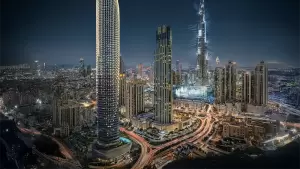
Residential property in Jumeirah recorded a 12% increase in average rental values during the first quarter of 2026 according to Dubai Land Department data. As one of Dubai’s most established coastal districts, the area maintains high demand due to its low-density villa stock and proximity to the newly opened J1 Beach. While the community offers immediate access to the shoreline, potential residents must navigate a market predominantly restricted to rentals for non-GCC nationals.
Benefits of Residing in Jumeirah
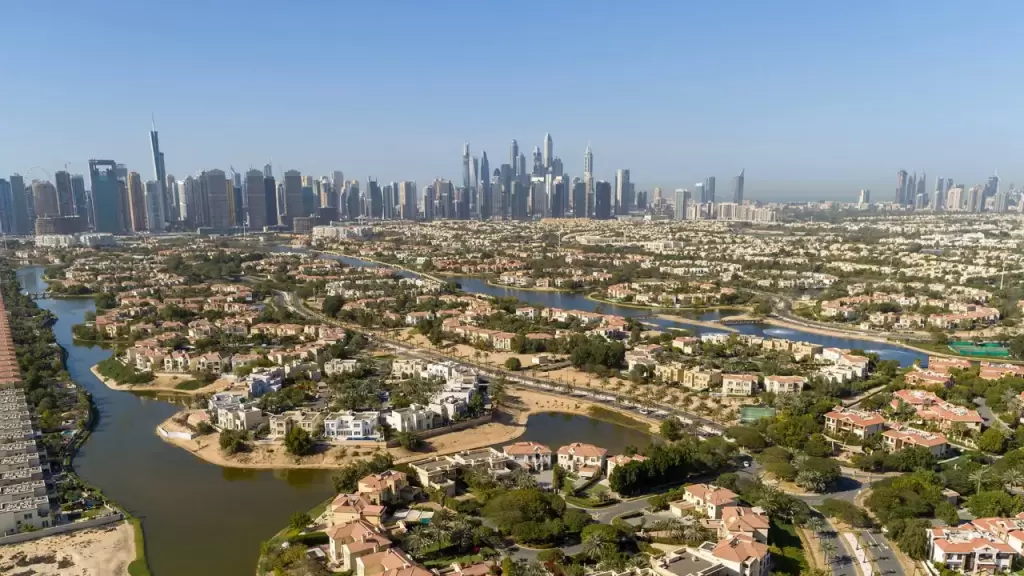
Jumeirah is defined by its horizontal skyline, comprised almost exclusively of independent villas and low-rise compounds.
Proximity to J1 Beach and Coastal Amenities
The redevelopment of La Mer into J1 Beach, completed in late 2024, has introduced a specialized selection of beach clubs and dining venues. Residents in Jumeirah 1 and 2 live within walking distance of these facilities. Unlike the high-traffic public beaches in other districts, Jumeirah’s coastline includes sections with dedicated jogging tracks and cycling paths that connect directly to the Dubai Water Canal.
Academic and Healthcare Infrastructure
The district houses several of the city’s highest-rated educational institutions. According to the KHDA’s latest reports, schools such as Jumeirah English Speaking School (JESS) and Jumeira Baccalaureate School continue to serve as primary anchors for western expat families. Healthcare access is similarly dense, with Emirates Hospital and various specialized clinics located along Jumeirah Beach Road.
Pet-Friendly Residential Layouts
Unlike the vertical communities of Dubai Marina or Downtown, Jumeirah villas typically offer private gardens and walled compounds. This spatial configuration makes the area a preferred choice for pet owners. Most local veterinary clinics and grooming centers are situated within the district, supporting a localized service economy.
Constraints of the Jumeirah Market
While the lifestyle appeal is high, the district presents specific challenges regarding property ownership and architectural variety.
Non-Freehold Status for Expats
The majority of Jumeirah is classified as non-freehold. Under current Dubai land regulations, property ownership in Jumeirah 1, 2, and 3 is largely reserved for UAE and GCC nationals. Expatriates typically occupy these homes through standard annual lease agreements. While some small pockets of freehold land exist in newer satellite developments like Port de La Mer, the core residential blocks remain rental-only for the international population.
Maintenance and Utility Considerations
Many villas in Jumeirah are older structures compared to the new builds in Dubai Hills or JVC. While these properties offer larger plot sizes, they often require higher cooling costs and more frequent maintenance. Residents should verify the age of the AC systems and the quality of the insulation before committing to a lease, as older villas can see utility bills significantly higher than modern equivalents.
Want to know the best real estate options in the UAE? Contact us today to inquire!
Contact us via WhatsApp2026 Price Reality: Jumeirah Rental Ranges
| Villa Type | Average Annual Rent (AED) | Trend vs. 2025 |
| 3-Bedroom Villa | 320,000 – 450,000 | +10% |
| 4-Bedroom Villa | 480,000 – 650,000 | +12% |
| 5-Bedroom Villa | 700,000+ | +15% |
Source: Dubai Land Department (DLD) Transaction Records Q1 2026
Decision Support: Who Suits Jumeirah?
Jumeirah is an optimal choice for established families who prioritize space, garden privacy, and school proximity over modern high-rise amenities. It is less suited for individual professionals or those seeking to enter the property ownership market, given the lack of freehold options and the premium rental prices.
Frequently Asked Questions
Can expatriates buy any property in Jumeirah?
Expatriates are generally restricted to renting in Jumeirah 1, 2, and 3. However, nearby freehold zones like Port de La Mer and Madinat Jumeirah Living allow for full international ownership.
What are the primary traffic patterns in the area?
Jumeirah Beach Road and Al Wasl Road experience heavy volume during school drop-off hours (7:30 AM – 8:30 AM) and weekend evenings due to the high density of retail and dining outlets.
Are utility costs higher in Jumeirah villas?
On average, yes. Because many villas are detached and older, they lack the shared cooling efficiencies of modern apartment towers. Residents often utilize DEWA’s “Slab Tariff” system, where larger homes can move into higher cost brackets quickly.
Which parks are available for residents?
Safa Park remains the largest green space accessible to the community, alongside Jumeirah Beach Park. Both offer dedicated areas for outdoor exercise and family gatherings.
Is Jumeirah connected to the Dubai Metro?
Jumeirah is not directly served by the Metro. The nearest stations are located along Sheikh Zayed Road (such as Business Bay or Al Safa). Most residents rely on private vehicles or taxis for daily transit.