


By 2027, Dubai is expected to enter a new phase of growth driven by large-scale infrastructure projects, population expansion, smart-city initiatives, and a maturing real estate market. With sustained demand from global investors, strong government planning, and long-term strategies such as the Dubai 2040 Urban Master Plan, the emirate is positioning itself as one of the world’s most future-ready cities.
This article explores what Dubai 2027 is likely to look like — from lifestyle and employment to real estate opportunities and investment outlook — based on confirmed policies, announced projects, and market trajectories.
Dubai’s vision leading up to 2027
Dubai’s development is guided by long-term government strategies rather than short-term cycles. Central to this is the Dubai 2040 Urban Master Plan, which focuses on sustainability, community living, and economic diversification.
By 2027, Dubai aims to:
- Increase population capacity while improving quality of life
- Expand green and waterfront areas
- Strengthen Dubai’s position as a global business and tourism hub
Government-backed clarity is one of the key reasons Dubai continues to outperform many global cities in terms of resilience and investor confidence.
Population growth and lifestyle changes
Dubai’s population is projected to continue growing steadily through 2027, driven by:
- Skilled expatriate migration
- Remote workers and entrepreneurs
- Long-term residency programs such as Golden Visa
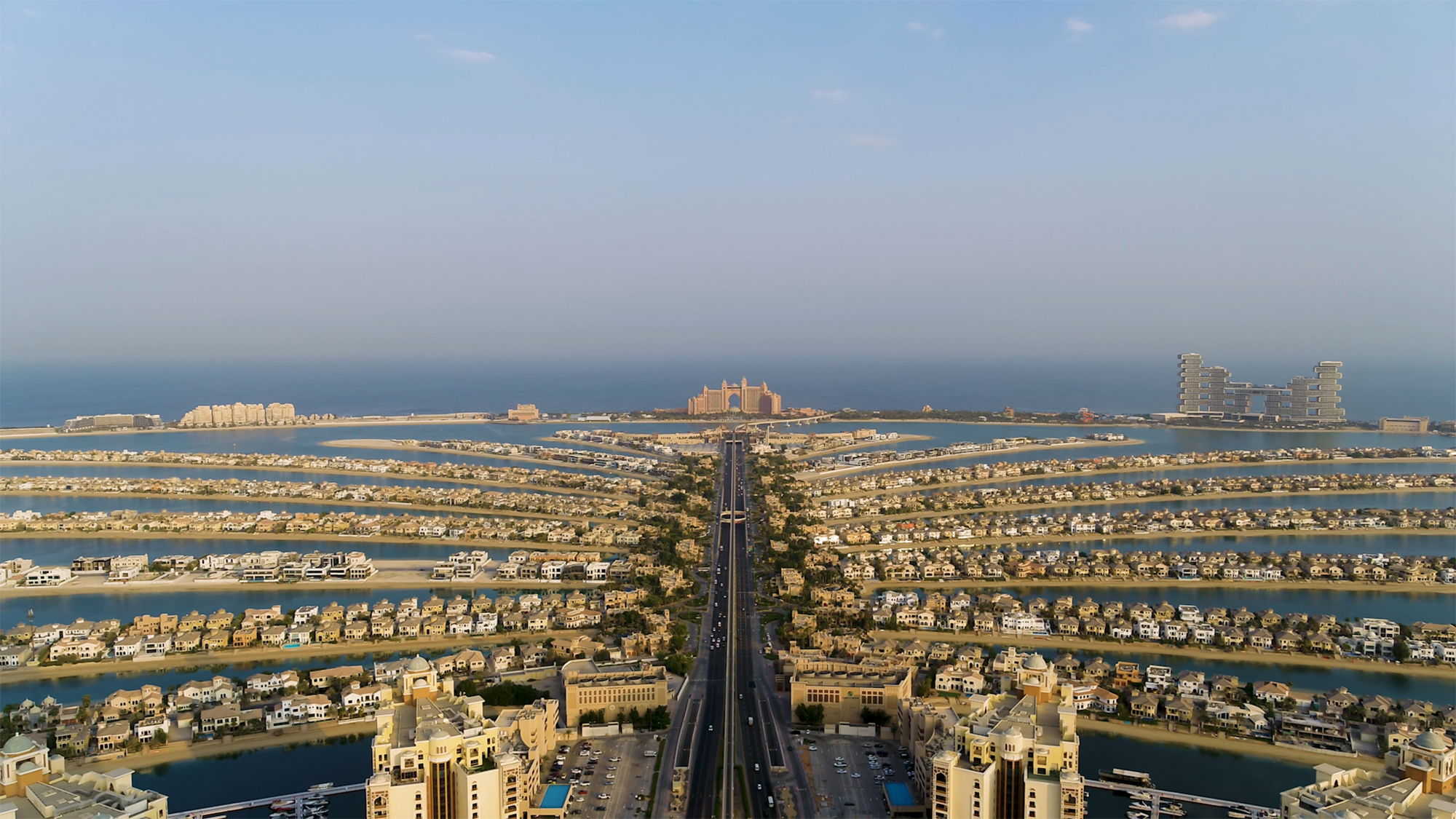
This growth is reshaping how people live in Dubai. Demand is shifting away from purely central business districts toward master-planned communities offering larger homes, greenery, and lifestyle amenities.
By 2027, community-centric living is expected to dominate residential demand rather than high-density urban living alone.
Infrastructure and transport developments by 2027

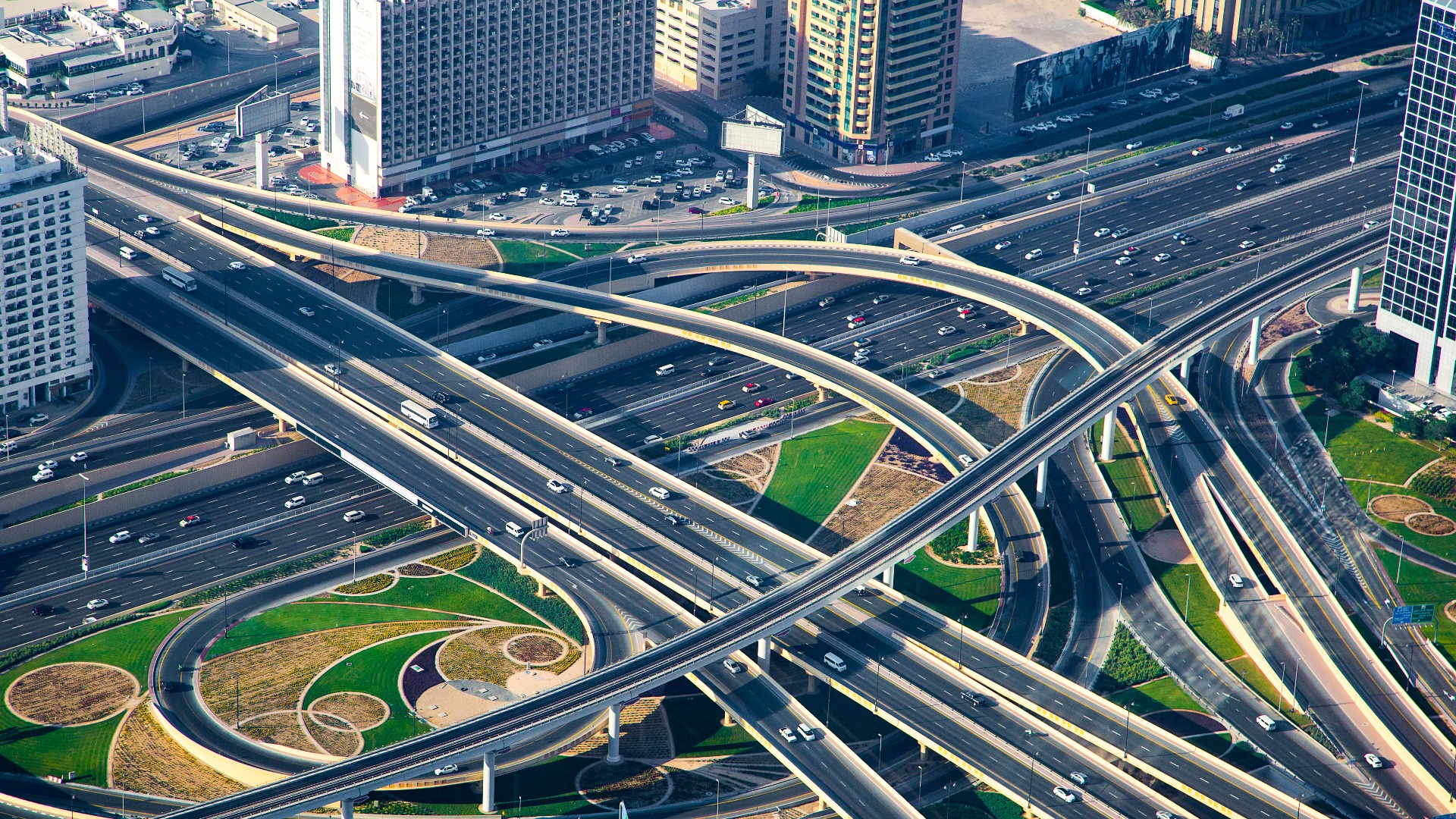
Dubai continues to invest heavily in infrastructure to support long-term growth.
Key developments expected to shape Dubai by 2027 include:
- Continued Dubai Metro enhancements and connectivity upgrades
- Road network expansions linking emerging residential districts
- Smart traffic management systems to reduce congestion
- Improved last-mile transport solutions
Infrastructure investment directly supports real estate values by improving accessibility and reducing commute times across the emirate.
Dubai real estate outlook for 2027
The real estate market is one of the most closely watched aspects of Dubai 2027.
As of early 2026, Dubai’s property sector shows:
- Strong off-plan demand
- High absorption rates in mid-market and luxury segments
- Continued international buyer interest
Key real estate trends expected by 2027:
- Sustained demand, not speculative spikes
- Growth in villa and townhouse communities
- Increased emphasis on sustainability and smart-home features
- Higher end-user participation versus short-term speculation
Areas aligned with long-term planning, infrastructure access, and community development are likely to outperform.
Business, employment, and economic outlook
Dubai’s economy is expected to remain diversified and resilient through 2027, with strength across:
Looking for the perfect property? Contact us now for a free consultation!
Contact us via WhatsApp- Technology and digital services
- Logistics and global trade
- Tourism and hospitality
- Financial services and professional sectors
Dubai’s business-friendly regulations, tax advantages, and visa reforms continue to attract global companies and startups. This directly fuels housing demand, especially in areas close to business hubs and transport corridors.
Sustainability and smart-city focus

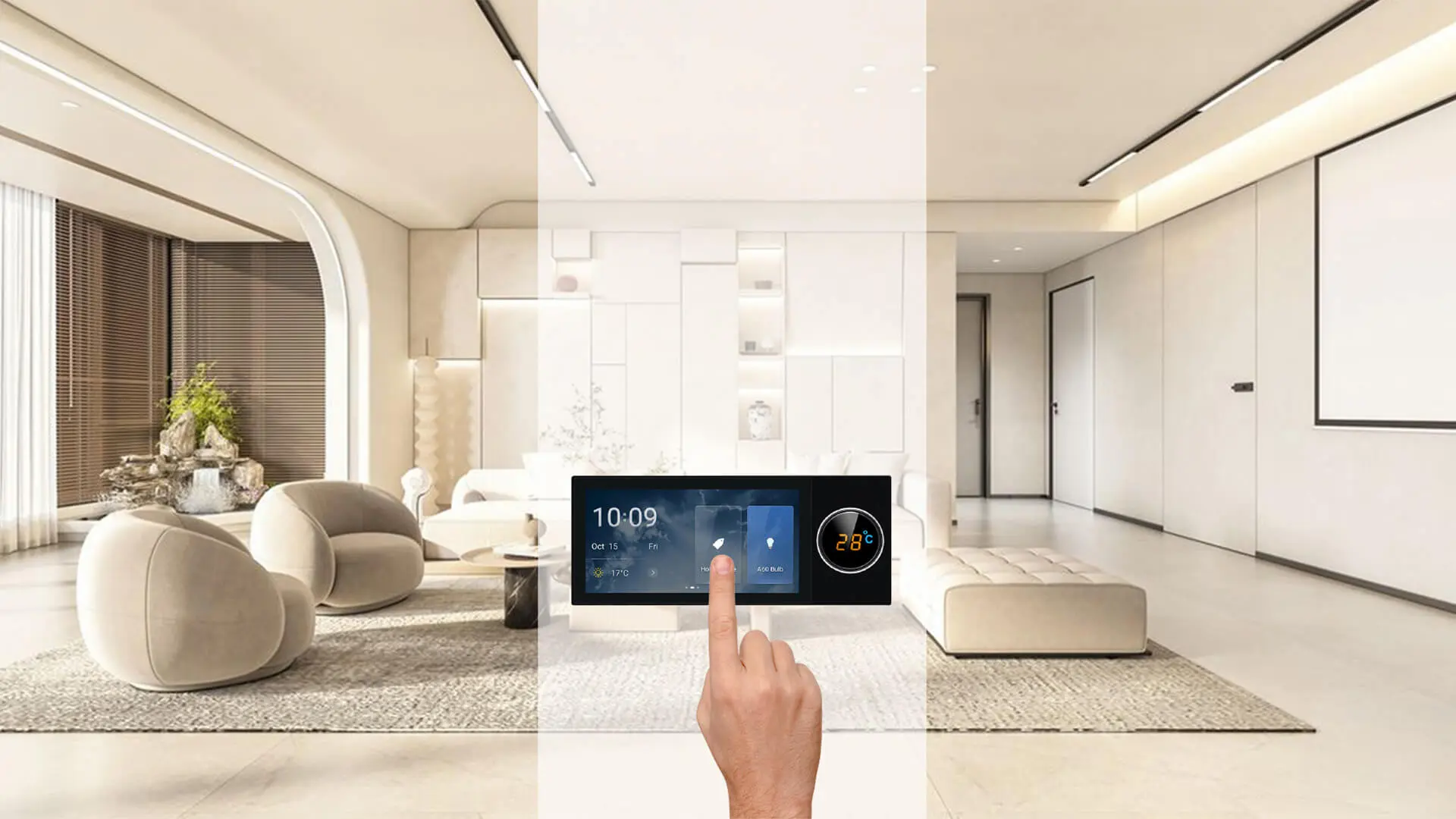
Sustainability is no longer optional in Dubai’s planning.
By 2027, residents can expect:
- More green-certified buildings
- Wider adoption of solar and energy-efficient systems
- Smart-home integration as a standard, not a luxury
- Walkable communities with reduced car dependency
These features are increasingly important to both residents and investors, especially those planning long-term ownership.
Dubai’s global positioning by 2027
Dubai is steadily transitioning from a “fast-growing city” to a mature global hub.
By 2027, Dubai is expected to further strengthen its position as:
- A top international city for relocation
- A global tourism and events destination
- A preferred real estate investment market
Unlike many global cities, Dubai benefits from:
- Proactive government planning
- Regulatory clarity
- Infrastructure built ahead of demand
FAQs about Dubai 2027
Yes. Dubai’s long-term planning focuses on quality of life, safety, infrastructure, and economic opportunity, making it attractive for residents through 2027 and beyond.
Market indicators suggest steady growth rather than volatility, particularly in well-planned communities and family-oriented developments.
Living costs may rise gradually, but value-for-money housing options and diverse communities are expected to remain available.
Yes. Regulatory stability, residency incentives, and infrastructure investment support long-term investment strategies.
Absolutely. Sustainability and smart living are core pillars of Dubai’s future development.
Final thoughts: What Dubai 2027 really represents
Dubai 2027 is not about a single mega-project or short-term trend. It represents a transition into a more mature, livable, and sustainable global city.
For residents, it means better communities, smarter infrastructure, and improved work-life balance.
For investors, it signals stability, transparency, and long-term growth potential.
At OPlus Realty, we analyze Dubai not just as it is today — but as it’s evolving toward the future.
📩 Explore Dubai’s next-generation communities and investment opportunities with our expert advisors.