Dubai offers two clear rental paths in 2026: cost-efficient community living or premium, service-led residences. Dubai Land Department recorded AED 761 billion in real estate transactions in 2024, reflecting strong demand across both segments and a rental market that supports different lifestyles and budgets.
Market overview: two distinct rental segments
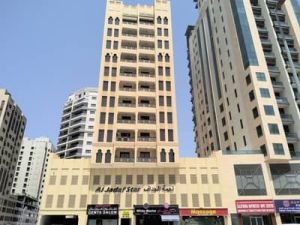
Budget apartments focus on practical living. These are typically located in areas such as Jumeirah Village Circle, International City, and Discovery Gardens. They offer functional layouts, access to daily services, and lower entry costs for tenants.
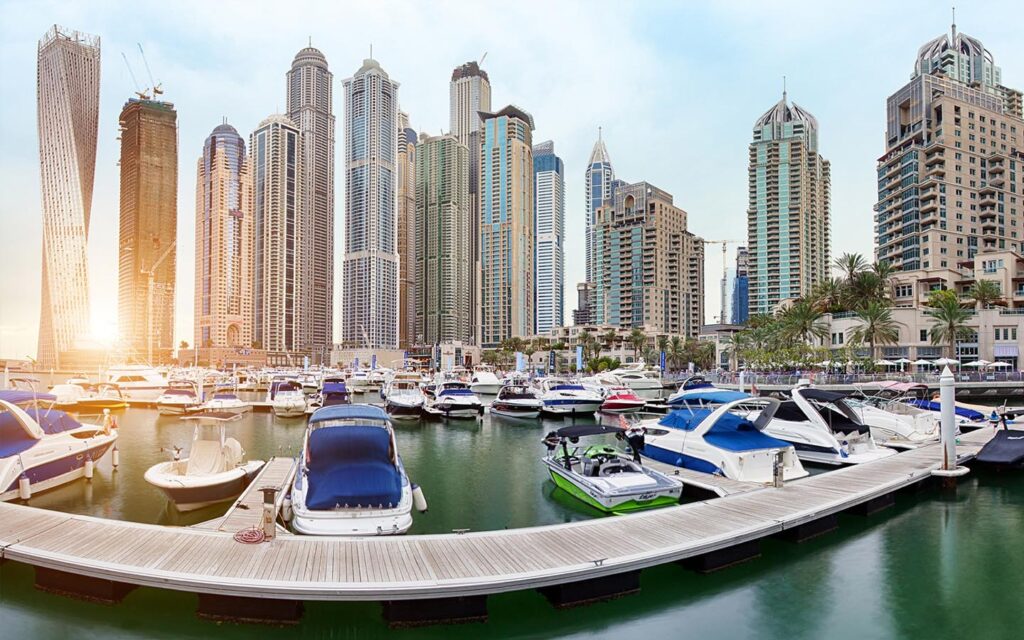
Luxury apartments focus on convenience and location. Areas such as Downtown Dubai, Palm Jumeirah, and Dubai Marina provide high-end finishes, managed services, and proximity to business districts and lifestyle destinations.
The difference between both segments is not only price. It is how daily life is structured.
Cost comparison: what you actually pay
Rent remains the main difference between both options, but it is only one part of the total cost.
Budget apartments usually provide lower monthly rent, which allows tenants to allocate income to savings or other expenses. Luxury apartments carry higher rents because they include location premium, building services, and brand positioning.
The real comparison should include total annual cost, not just rent.
Hidden costs that change the decision
The total cost of renting in Dubai includes more than base rent. Several additional costs apply regardless of the segment.
Security deposits are standard. Unfurnished units usually require 5% of annual rent, while furnished units may require around 10%.
Utility setup is another fixed cost. The UAE utility framework requires deposits for electricity and water services, which apply across all apartment types according to government service structures.
Luxury apartments typically lead to higher ongoing expenses. Larger unit sizes, central cooling systems, and added facilities increase electricity and water usage. District cooling charges also apply in many premium developments.
Budget apartments, on the other hand, usually keep utility costs lower due to smaller layouts and simpler infrastructure.
Lifestyle difference: efficiency vs convenience
Budget apartments are built around efficiency. Daily life is structured around essential services such as supermarkets, schools, and transport links. These communities tend to have a stronger neighbourhood feel and support long-term residents who prioritise stability and affordability.
Luxury apartments focus on convenience. Buildings often include concierge services, gyms, pools, and managed facilities. Proximity to areas such as DIFC or Downtown Dubai reduces commute time and places residents closer to commercial and social hubs.
This creates a clear trade-off. Budget living saves money. Luxury living saves time.
Amenities and building experience
Luxury buildings operate like managed environments. Residents often benefit from:
- 24-hour concierge and security
- Fitness centres and pools
- Valet and parking services
- Smart home integration in newer developments
Budget buildings usually focus on core services. Residents can expect:
- Basic security
- Parking access
- Shared facilities depending on the development
The difference is not only the number of amenities but how they are maintained and operated.
Location and access
Luxury apartments are concentrated in central and waterfront locations. Downtown Dubai, Palm Jumeirah, and Dubai Marina offer access to business districts, retail destinations, and major landmarks such as the Burj Khalifa district and Dubai Marina waterfront.
Want to know the best real estate options in the UAE? Contact us today to inquire!
Contact us via WhatsAppBudget apartments are typically located in outer or emerging areas. These locations may require longer commute times but often benefit from improving infrastructure and transport connectivity over time.
Long-term value and flexibility
Budget apartments provide financial flexibility. Lower rent allows tenants to save, invest, or manage cost of living more easily. This makes them suitable for early-career professionals, families, and long-term residents.
Luxury apartments provide lifestyle value. Tenants pay a premium for convenience, services, and location, which can improve daily efficiency and overall quality of life.
The right choice depends on how you value time versus cost.
Decision framework: which one fits you
Budget apartments suit:
- Tenants focused on saving money
- Long-term residents building financial stability
- Families prioritising space over location
Luxury apartments suit:
- Professionals working near central districts
- Tenants who value convenience and services
- Residents willing to pay more to reduce commute time
Honest drawback to consider
Luxury apartments come with recurring costs that extend beyond rent. Budget apartments, while cost-effective, may require longer travel times and fewer on-site services.
Both choices work when expectations match reality.
Final verdict
In 2026, the decision between budget and luxury apartments in Dubai comes down to total cost and daily routine. Budget apartments offer financial control and long-term flexibility. Luxury apartments offer convenience, access, and managed living.
The better option is the one that aligns with your income structure, work location, and long-term plans, not just the rent advertised on listings.
FAQ
Are luxury apartments more expensive beyond rent in Dubai?
Yes. Luxury apartments often increase total living cost due to higher utility usage, district cooling charges, and service-related expenses. These costs come from larger unit sizes and additional building facilities rather than rent alone.
Which areas offer budget apartments in Dubai?
Budget apartments are commonly found in Jumeirah Village Circle, International City, Discovery Gardens, and similar communities that focus on affordability and accessibility.
Which areas are known for luxury apartments?
Luxury apartments are concentrated in Downtown Dubai, Palm Jumeirah, Dubai Marina, and DIFC, where location and building services justify higher rental values.
Are utility costs different between budget and luxury apartments?
Yes. Utility costs tend to be higher in luxury apartments due to larger spaces, central cooling systems, and additional amenities that require ongoing maintenance and energy use.
Is it better to rent furnished or unfurnished in Dubai?
Furnished units are more convenient for short stays but come with higher deposits and rent. Unfurnished units are usually more cost-efficient for long-term tenants.
Do budget apartments offer good value in Dubai?
They do. Budget apartments provide strong value for tenants who prioritise cost control and long-term financial stability, especially in well-connected communities.
Can you find affordable apartments near transport links?
Yes. Several budget-friendly areas have improved connectivity and access to major roads and public transport, making them practical for daily commuting.
Are luxury apartments worth the cost?
They can be worth the cost for tenants who prioritise convenience, proximity to work, and access to managed services. The value depends on how often those benefits are used in daily life.