

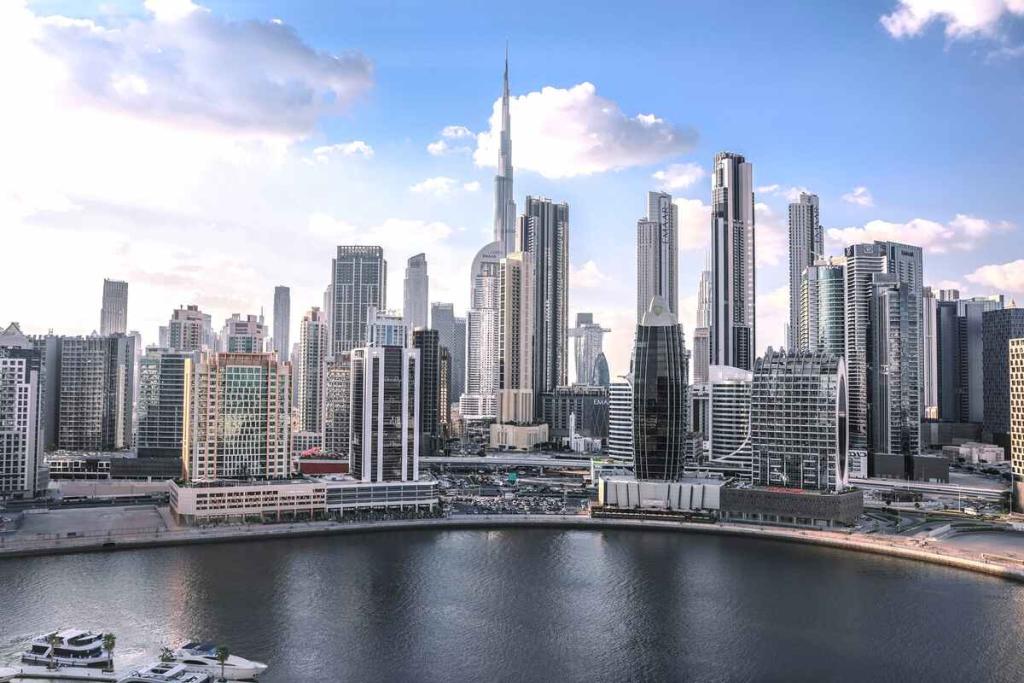
UAE property prices in 2026 are unlikely to move in a single direction. Instead, the market is shifting into a phase of stability and selectivity—where prime, end-user-led locations hold up well, while communities with heavy new supply may see prices cool, flatten, or grow slower. That’s not a warning sign; it’s what a maturing market looks like.
In this outlook, we focus on what actually drives pricing in the UAE: where demand is coming from, how much inventory is being delivered, and how policy and financing influence buyer behavior. The result is a clearer question than “rise or fall”: which locations and property types match your timeline, risk appetite, and rental strategy in 2026?
Quick market insight: what “selective growth” means in 2026
Selective growth in 2026 typically looks like this:
Prime areas with proven liveability and deep rental demand stay resilient, supported by end-users and long-term investors.
High-supply areas become more price-sensitive, giving buyers more negotiation room and pushing developers to compete on value.
A key proof point of how “demand-led” the UAE market remains is that official and institutional reporting continues to track activity and pricing through indices and transaction insights. Dubai Land Department, for example, maintains a residential price index and reporting framework to track market movement.
UAE market context going into 2026: demand, supply, regulation
Heading into 2026, the UAE real estate story is less about hype and more about market structure:
Demand: Population growth and long-term residency policies continue to support occupancy and absorption—especially in well-connected, lifestyle-led communities.
Supply: Inventory is broadening across price points, and the impact depends on where handovers concentrate.
Confidence & transparency: The market increasingly rewards quality, track record, and deliverability.
For buyers and investors, one policy detail remains especially relevant: the property-based Golden Visa threshold in Dubai, which is tied to AED 2 million+ purchase value (with specific rules for mortgaged properties).
Will UAE property prices rise in 2026?
The most realistic 2026 outcome is moderate growth in resilient locations, and slower growth / flat pricing in areas where new supply is high.
Prime locations likely to see stability or gradual growth
Prime communities tend to hold value better when they share three traits:
| Prime trait | Why it supports prices in 2026 | What to look for |
|---|---|---|
| End-user depth | Less dependent on short-term investors | Schools, parks, daily convenience |
| Proven rental demand | Keeps investor returns competitive | Low vacancy, strong tenant profile |
| Scarcity within the sub-area | Limits price competition | Limited comparable handovers nearby |
In Dubai, indices and reporting frameworks help track broad pricing direction over time.
Luxury and branded residences in 2026: stability over spikes
Luxury demand remains present, but the buyer mindset has evolved: value, developer reputation, finishing quality, and long-term appeal matter more than “headline appreciation.”
In practical terms, that means many luxury segments may show:
- Price stability (rather than rapid surges)
- Higher sensitivity to service charges, layouts, and views
- Greater emphasis on brand/operator strength (for branded residences)
Where could prices cool or level out in 2026?
Cooling doesn’t automatically mean “decline.” In 2026, cooling often means more choices, more negotiation, and slower growth.
Mid-market areas with high new supply
When many similar units hand over around the same time, competition increases:
- Landlords compete on rent (or incentives)
- Sellers compete on price and payment terms
- Buyers gain leverage—especially for standard layouts
A simple “2026 sensitivity” checklist
Instead of guessing, assess price sensitivity by asking:
- Is there a large pipeline of comparable units handing over soon?
- Are listings competing within tight price bands?
- Do incentives (waived fees, flexible plans) feel “standard”?
Off-plan segments in 2026: value wins, not just appreciation
Off-plan remains a major pillar of the UAE market, but 2026 dynamics favor:
- Better payment plans
- More deliverability screening
- Stronger focus on what you’re buying (layout, view, maintenance, community maturity)
Dubai’s market tracking and reporting has repeatedly highlighted the importance of separating advertised pricing from actual transaction evidence—so investors should anchor decisions to credible market references and verified comparables.
Factors influencing UAE property prices in 2026
Rather than predicting a single direction, track the drivers that shape micro-markets:
Looking for the perfect property? Contact us now for a free consultation!
Contact us via WhatsApp| Driver | What it changes in 2026 | Buyer impact |
|---|---|---|
| Residency + population inflows | Sustains end-user demand | Supports stability in liveable areas |
| Supply handovers | Determines price competition | Negotiation power varies by area |
| Infrastructure + accessibility | Shifts desirability | “Connected” areas outperform over time |
| Regulation + transparency | Reduces speculative extremes | Rewards verified listings + quality assets |
| Visa-linked demand | Anchors higher-ticket buying | AED 2M+ remains a key threshold in Dubai |
Abu Dhabi vs Dubai: 2026 price outlook
Abu Dhabi vs Dubai can move differently in the same year.
Dubai (2026)
Dubai is likely to show:
- Selective growth in established communities
- More sensitivity in areas with heavy new delivery
- Continued investor interest when rental demand is strong
Recent market commentary also frames 2026 as a year of steady demand with pockets of cooling rather than a broad reversal.
Abu Dhabi (2026)
Abu Dhabi tends to be:
- More end-user / family driven
- Generally less speculative than prior boom cycles
- Supported by government-linked development and long-term residents
For data-backed context, ADREC publishes market reporting for Abu Dhabi that tracks transaction performance and key trends.
Is 2026 a good time to buy property in the UAE?
For many buyers, 2026 can be a strong entry year if your selection is precise.
End-users benefit from:
- More options across ready and off-plan
- Better ability to negotiate based on supply
- Clearer “value per dirham” comparisons
Investors should prioritize:
- Rental fundamentals (tenant depth, vacancy, realistic rents)
- Holding period (mid/long-term beats short flips in a balanced market)
- Asset quality (layout, maintenance, developer credibility)
FAQs: UAE property prices 2026
A broad “fall” is unlikely across the entire UAE. 2026 is expected to be more selective: prime, end-user-led locations may hold or grow moderately, while high-supply communities could flatten or cool due to stronger competition and more buyer choice.
Some areas can still rise, especially established communities with proven rental demand and limited comparable handovers. The more supply-heavy the area, the more likely price growth slows and negotiations become easier.
Areas with strong end-user demand, daily convenience, and constrained comparable supply. Think proven lifestyle communities near major employment hubs, schools, and transport links.
Off-plan can still grow, but typically at a slower pace than peak growth years. Many developers are expected to compete on payment plans, fee incentives, and delivered value rather than pushing headline price jumps.
It depends on the micro-market. In high-supply communities, buyers often gain leverage. In prime, low-supply locations, sellers retain stronger pricing power—especially for standout units (view, layout, condition).
Dubai may see more variation by district, with selective growth and more price sensitivity where supply is heavy. Abu Dhabi often trends steadier and more end-user driven, supported by long-term residents and structured development.
Yes. In Dubai, real estate investors can apply when the property purchase value is AED 2 million+, which influences buyer behavior in that segment and supports demand for eligible properties.
Buying in areas where many similar units hand over at once—this can increase tenant competition and reduce rent growth. The best defense is selecting communities with deep rental demand and differentiated unit features.
Conclusion
The UAE real estate market in 2026 is shaping up to be stable, selective, and fundamentals-driven—not a year of uniform price spikes or dramatic corrections. Prime communities with strong end-user demand are likely to remain resilient, while mid-market districts with high new supply may offer buyers more negotiating room and better value. Off-plan also shifts toward “smart buying”: payment plans, deliverability, and asset quality become the real differentiators.
For buyers and investors, the winning move in 2026 isn’t guessing whether prices rise or fall—it’s choosing the right property, in the right micro-location, with the right holding strategy.
Ready to plan your 2026 purchase with clarity? Request a free consultation