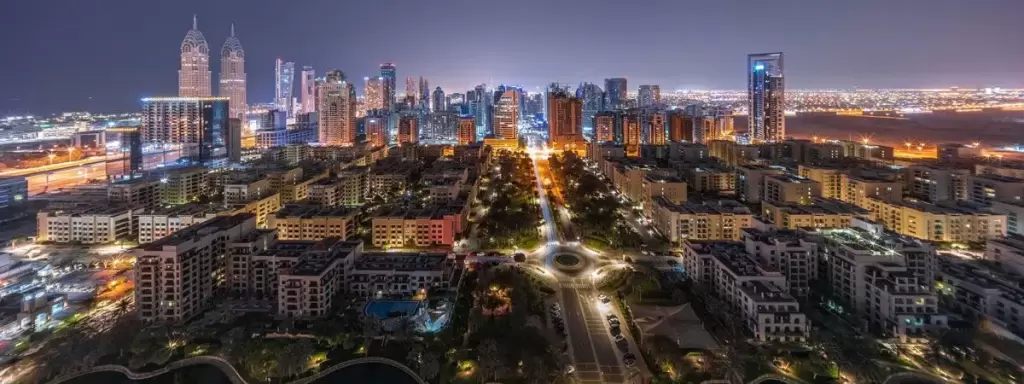
Al Barsha recorded 3,733 new rental contracts over the past 12 months, with an average apartment rent of AED 81,542 per year according to the Dubai Land Department’s Ejari transaction records. Oplus International Realty has seen consistent inquiry volume from this area, with the dominant renter profile being mid-level professionals and families relocating from other Dubai districts who prioritise road access and school proximity over waterfront or downtown prestige. The community sits between Sheikh Zayed Road and Al Khail Road, placing it within 15 to 20 minutes of Media City, Internet City, and the Dubai Marina employment corridor.
Al Barsha: What the Location Actually Delivers
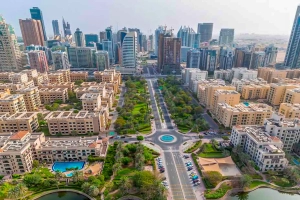
Al Barsha is a grid-plan residential district spanning four main sub-communities — Al Barsha 1, Al Barsha 2, Al Barsha 3, and Al Barsha South — plus a commercial belt along Sheikh Zayed Road. The area is neither a free zone nor a gated community. It is a working, mixed-use neighbourhood that has accumulated significant infrastructure over 20 years.
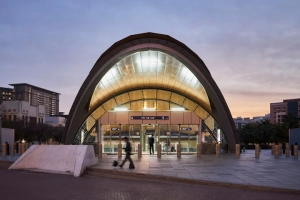
The Red Line’s Mall of the Emirates Metro Station sits in Al Barsha 1, directly connected to the mall via an air-conditioned overhead walkway. Station code 32 on the RTA network. From there, feeder buses reach Al Barsha 2, Al Barsha 3, and Al Barsha South via the F33 and F36 routes. For tenants in Al Barsha South who commute by public transport, the bus-to-metro transfer adds 10 to 15 minutes versus the walk-in convenience of Al Barsha 1. That gap matters in daily commute planning.
One upcoming change worth factoring in: the Dubai Blue Line metro, announced by the Roads and Transport Authority in April 2026 via Khaleej Times, will route through Al Barsha South on its corridor between Al Ghubaiba and Jumeirah Golf Estates. When operational, this will reduce Al Barsha South’s transport disadvantage relative to Al Barsha 1. No confirmed completion date has been published. Renters making a 2 to 3-year lease decision in Al Barsha South should note this as a potential upside, not a guaranteed current feature.
Apartment Rents in Al Barsha: What DLD Data Shows
The average annual apartment rent across Al Barsha stands at AED 81,542, based on DLD Ejari transaction records covering the past 12 months. Across the full community including villas, the average sits at AED 84,534. Apartment rents rose 1% over the same period — moderate compared to the 10 to 20% increases seen in many other Dubai communities through to December 2025, according to Engel & Völkers’ market data.
Al Barsha 1 produces the highest apartment rental averages within the community. DLD-attributed data from Property Finder shows an annual average of AED 86,938 across 4,583 recorded rental transactions. Al Barsha 1’s position adjacent to Mall of the Emirates and the Red Line metro station drives this premium. Tenants pay for walkability, not just square footage.
Al Barsha 3 occupies the mid-range. The sub-community sits centrally between Al Barsha 1 and Al Barsha 2, offering access to Al Barsha Pond Park within walking distance. Apartment supply here is smaller than in Al Barsha 1, and the inventory skews toward larger units, which pulls averages up relative to the unit size on offer.
Al Barsha South runs from Al Barsha South 1 through 5, covering territory that extends toward Miracle Garden and the Dubai Autodrome. Entry-level apartment rents in Al Barsha South sit at the lower end of the Al Barsha community range, reflecting the longer distance from the Red Line. Gross rental yields in Al Barsha South run from 7% to 9.5% based on DLD transaction data from Q1 2026, with studios and one-bedroom units at the upper end of that range.
Based on inquiries Oplus received about Al Barsha through Q1 2026, the most common apartment-renter profile is a single professional or couple with a budget of AED 70,000 to AED 100,000 annually, prioritising road access over metro proximity, and frequently comparing Al Barsha South with Jumeirah Village Circle on price-per-square-foot grounds.
Villa Rents in Al Barsha: Sub-Area Overview
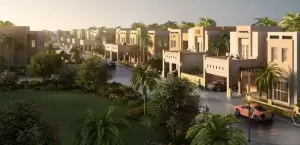
Al Barsha 1, Al Barsha 2, Al Barsha 3, and Al Barsha South all offer standalone villas for rent, typically running 3 to 6 bedrooms. The stock varies significantly in age and specification. Older villas built between 2000 and 2010 tend to have larger plot sizes but higher maintenance risk. Post-2015 construction is generally more energy-efficient and better insulated, which affects cooling costs in summer.
Al Barsha South holds the largest villa inventory within the community. The American School of Dubai operates within Al Barsha 1, and GEMS Wellington Academy is accessible from Al Barsha South, which supports family tenancies in both sub-areas. Villas in Al Barsha South with private pools command a visible premium over comparable units without. The road access is genuine: Al Khail Road (E44) and Sheikh Mohammed Bin Zayed Road (E311) are accessible from multiple points within the sub-community.
Al Barsha 1 offers the most commercially active villa belt, situated close to the mall and the metro station. For families who need school access and value metro proximity for non-driving household members, this sub-area commands the highest villa rents in the community. Supply is more constrained here than in Al Barsha South, which creates lower vacancy rates for landlords.
Al Barsha 2 and Al Barsha 3 carry villa stock with similar amenity profiles — private pools, maids’ rooms, play areas — at generally lower rental levels than Al Barsha 1 due to marginally longer drive times to the metro. Al Barsha 2 sits adjacent to Al Barsha Mall and Galleria Mall. Al Barsha 3 has direct road connections to both Sheikh Zayed Road and Al Khail Road, with Al Barsha Pond Park as the primary recreational anchor.
Specific annual villa rental figures by bedroom type and sub-area require verification against the DLD Smart Rental Index, which is updated regularly and can be accessed via the Dubai REST app. Asking-price data in this segment varies significantly by building age, pool availability, and plot size.
One Honest Drawback
Traffic congestion around Mall of the Emirates, particularly on weekdays between 5pm and 8pm, is a documented operational reality for Al Barsha 1 residents. The intersection at Interchange 4 on Sheikh Zayed Road is among the busiest in Dubai. Tenants who work in Media City or Internet City and drive during peak hours can face 30 to 45-minute delays on a 5-kilometre commute. Al Barsha 3 and Al Barsha South offer slightly better exit options via internal road networks, but the broader area is not congestion-free. Anyone evaluating a villa in Al Barsha 1 or 2 should time a test drive at peak hours before signing a lease.
The Investment Context for Landlords
Dubai’s rental market recorded AED 32.2 billion in Ejari-registered rental contract value in Q1 2026 alone, according to official DLD data. Cancelled contracts dropped 25% in the same period — a structural signal of tenant commitment, not just high demand. Al Barsha participates in this trend. The community’s 3,733 new rental contracts over 12 months reflect a stable, non-speculative tenant base.
For buy-to-let investors, Al Barsha South delivers the strongest yield metrics in the community, with gross returns of 7% to 9.5% per DLD Q1 2026 data. Entry prices of AED 650 to AED 1,000 per sqft in Al Barsha South sit well below Dubai Marina or Downtown Dubai benchmarks, while the tenant demand base — professionals working in free zone employment corridors — is broadly resilient to economic cycles.
Al Barsha 1 and 2 villas attract longer tenancies driven by school proximity, which reduces annual void periods. That tenant stability is worth factoring into net yield calculations alongside the headline gross figure. Oplus can provide a specific rental yield calculation based on current listing prices and verified Ejari data for any sub-area if you are assessing a particular property.
Who Al Barsha Suits — and Who It Does Not
Al Barsha suits families who need school options within a short drive and prefer standalone villas over apartment towers. It suits professionals who drive to work and place less weight on metro proximity. It suits tenants with a budget of AED 80,000 and above for apartments, where the price-per-square-foot premium over JVC or Dubai South is partially offset by established infrastructure and shorter commute distances to Media City.
Al Barsha is less suited to tenants who depend on public transport daily — the feeder bus reliance in Al Barsha South and Al Barsha 2 and 3 is functional but not seamless. The area also lacks the waterfront appeal of Dubai Marina or Emaar Beachfront, which matters for lifestyle-driven renters willing to pay a premium for proximity to beach and promenade. Green spaces are limited — Al Barsha Pond Park is the primary open area, and the density of the built environment means the community is not the right choice for tenants who prioritise parks and walking trails.
For a broader view of Dubai rental options across districts, the Dubai area guides from Oplus cover JVC, Business Bay, Dubai Marina, and Al Furjan with the same verified pricing approach. For those specifically looking at rental properties in Al Barsha, Oplus agents can match inquiries to current available units with DLD-verified transaction benchmarks.
Frequently Asked Questions
Is Al Barsha South cheaper to rent than Al Barsha 1?
Based on DLD Ejari data, the all-property average annual rent for Al Barsha 1 sits at AED 86,938 — above the Al Barsha community-wide average of AED 84,534 for all property types. Al Barsha South typically provides lower per-unit apartment rents with higher gross yields (7–9.5% per DLD Q1 2026), reflecting the greater distance from the Red Line metro and the higher supply volume of mid-rise apartments in the southern sub-districts.
Does Al Barsha have direct metro access?
Al Barsha 1 has the most direct metro access. The Mall of the Emirates Metro Station on the Red Line sits within Al Barsha 1, with a covered overhead walkway connecting directly to the mall. Al Barsha 2, 3, and South do not have walking-distance metro access; they are served by RTA feeder buses (F33, F36) connecting to the Mall of Emirates station. An upcoming Blue Line metro route announced by the RTA in April 2026 will pass through Al Barsha South, though no completion date has been confirmed.
What is the average apartment rent in Al Barsha?
The average annual apartment rent in Al Barsha is AED 81,542, based on DLD Ejari transaction records covering the past 12 months. This is a community-wide average across all unit types and sub-areas. Al Barsha 1 averages higher at AED 86,938 per year across 4,583 recorded transactions. Actual rents vary by unit size, building quality, floor level, and furnishing status.
Is Al Barsha good for families?
Al Barsha is a practical choice for families, particularly in Al Barsha 1 (near the American School of Dubai) and Al Barsha South (near GEMS Wellington Academy and Dubai Miracle Garden). Villa supply with private pools and maids’ rooms is available across all four sub-areas. The primary limitation for families is the lack of green open space beyond Al Barsha Pond Park and some pockets of congestion near Interchange 4 on Sheikh Zayed Road.
How many rental contracts were registered in Al Barsha in the past year?
DLD Ejari data shows 3,733 new rental contracts registered in Al Barsha over the past 12 months, with an all-property average annual rent of AED 84,534. This covers apartments, villas, and other residential property types. Apartment rents specifically averaged AED 81,542 over the same period, a 1% increase year-on-year — one of the more stable growth rates in Dubai’s wider rental market.
What are the risks of renting a villa in Al Barsha?
The main risks in the Al Barsha villa rental segment are building age and maintenance standards in older stock (pre-2010), traffic congestion around Mall of the Emirates during evening peak hours, and limited public transport options in Al Barsha South and Al Barsha 3. Tenants should verify cooling system type (central vs split AC), maintenance responsibility terms, and any pending Owners’ Association fee disputes before signing. Requesting the landlord’s RERA-registered tenancy history via the Dubai REST app is advisable.
How does Al Barsha South compare to JVC for apartment rentals?
Both communities serve a similar mid-market tenant profile — professionals and small families seeking value without a long commute. Al Barsha South benefits from more established infrastructure, closer proximity to Media City and Internet City employment corridors, and Dubai Miracle Garden as a lifestyle amenity. JVC offers better internal road planning in newer phases and a larger off-plan pipeline for investors. Al Barsha South currently delivers gross rental yields of 7–9.5% (DLD Q1 2026); JVC’s yield profile runs 6–8% for comparable apartment stock, according to Q1 2026 market data.
Written by: Oplus International Realty Editorial Team
About Oplus: Licensed UAE real estate brokerage based in Abu Dhabi, covering Abu Dhabi and Dubai off-plan, secondary market, and investment properties. RERA registered. oplusrealty.com
Last reviewed: May 2026
Disclaimer: This article is for informational purposes only and does not constitute financial or investment advice. Consult a RERA-licensed professional before any property decision.
Sources Dubai Land Department (DLD) — Ejari rental transaction records, Al Barsha, past 12 months Dubai Land Department (DLD) — Q1 2026 rental market data via official Ejari system (AED 32.2 billion total contract value) Roads and Transport Authority (RTA) — Mall of the Emirates Metro Station, Red Line station code 32 Roads and Transport Authority (RTA) — Dubai Blue Line metro route announcement, reported by Khaleej Times, April 2026 Engel & Völkers UAE — RERA Rental Index commentary, December 2025 market data