

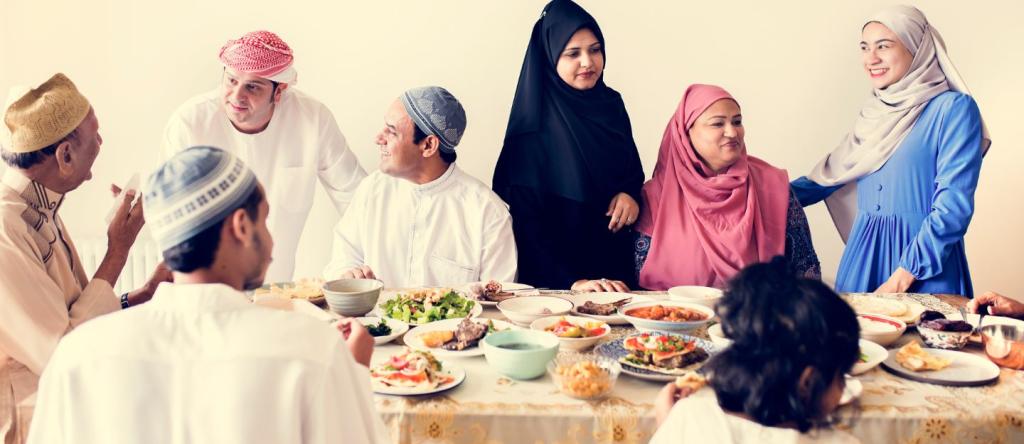
Ramadan traditions around the world add colour, community, and local identity to the same core month of worship, fasting, and generosity. While the fundamentals are shared—suhoor, iftar, prayers, charity, and spiritual reflection—each country expresses Ramadan through its own cultural language: lanterns that brighten Cairo streets, drummers who wake neighbourhoods in Turkey, and cherished children’s celebrations across the Gulf.
In 2026, these traditions matter even more for globally connected communities—especially in the UAE, where residents often celebrate Ramadan with friends from multiple cultures in one city. Some customs take place before Ramadan as a warm welcome to the month, while others happen in the middle nights of Ramadan or on the final evenings leading to Eid.
This guide highlights 11 interesting Ramadan traditions worldwide, explained in a simple, reader-friendly way—so you can understand what happens, where it happens, and why it remains meaningful.
Why Ramadan traditions vary by country
Ramadan traditions usually develop from a mix of:
- local history and community structure
- old city neighbourhood life (walkable streets, close neighbours)
- regional foods, music, and storytelling
- shared moments around suhoor and iftar
Some customs also spread from one region to another and evolve over time, keeping the spirit while changing the details.
1) UAE: Haq Al Laila (Hag Al Leylah)
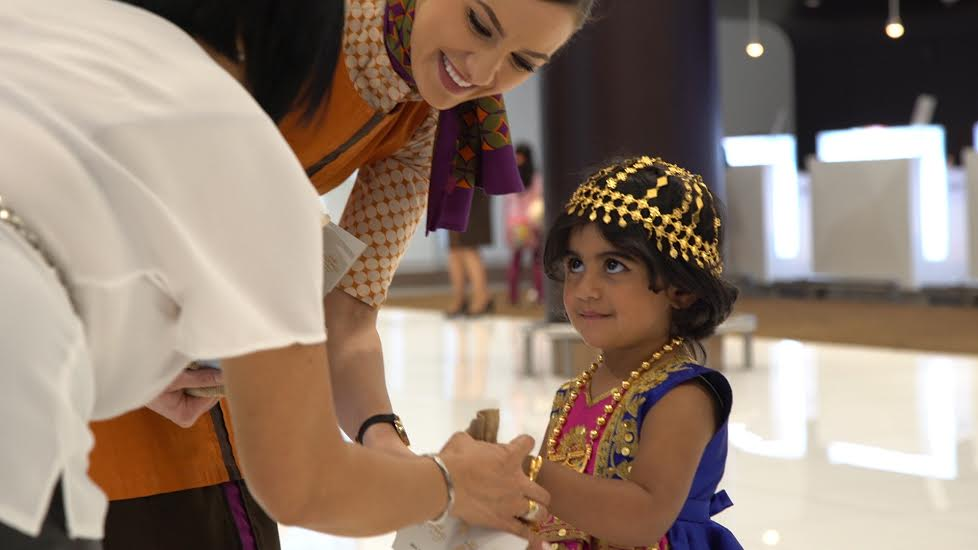
In the UAE, Haq Al Laila is a beloved cultural celebration linked to mid-Sha’ban—shortly before Ramadan—when children dress in traditional outfits, sing, and collect sweets from neighbours. It’s widely viewed as a joyful way to teach children about generosity and the coming month.
You’ll often hear the famous chant “Aatona Allah Yutikom” in community celebrations.
2) UAE & region: Ramadan cannons (Iftar/suhoor signal)
In parts of the UAE and wider region, Ramadan cannons remain a symbolic tradition used to mark iftar time—an echo of historic city life when sound was the fastest public signal.
3) Kuwait & Gulf: Qarqian’an / Gargee’an nights
Across Gulf countries, children celebrate mid-Ramadan nights by dressing up, singing, and receiving nuts and sweets from neighbours. Naming and timing can differ by country, but the community spirit stays the same.
4) Saudi Arabia: Iftar heritage + Gargee’an
Saudi Arabia’s Ramadan atmosphere is globally famous, and traditional iftar often begins simply with dates and water, followed by regional dishes. Many communities also celebrate Gargee’an nights in the middle of Ramadan as a children’s tradition similar to other Gulf countries.
5) Indonesia: Padusan (purification bathing)
In parts of Indonesia—especially Javanese communities—Padusan is a pre-Ramadan ritual involving bathing in natural water sources as a symbolic purification before fasting and worship.
6) Indonesia: Nyekar (visiting graves)
Another tradition in parts of Indonesia is Nyekar, where families visit graves and pray for departed relatives before Ramadan, reflecting remembrance and spiritual preparation.
7) Egypt: Fanous (Ramadan lanterns)
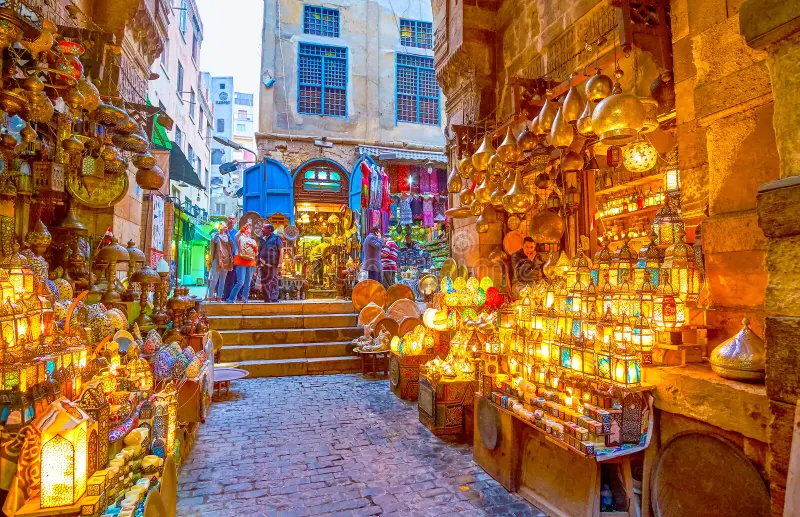
Few symbols are as visually tied to Ramadan as Egypt’s Fanous lanterns—metal and glass lanterns that light streets and homes, turning neighbourhoods into warm, glowing night scenes.
8) Egypt & the Levant: Mesaharaty (the suhoor caller)
In Egypt and other Arab countries, the Mesaharaty (night caller) walks through neighbourhoods beating a drum and calling people to wake for suhoor—sometimes even naming families, which makes the tradition feel personal and deeply local.
9) Turkey: suhoor drummers (Davul)
In Turkey, traditional drummers roam streets in the late night hours to wake people for suhoor. Many residents tip them (bahşiş), and in some areas they are welcomed with hospitality—turning a wake-up call into a shared social moment.
10) Morocco: the Nafar callers
Similar in purpose to the Mesaharaty, Morocco’s Nafar callers walk neighbourhoods reciting melodious prayers to wake people for suhoor—an atmosphere often described as calm and spiritual rather than loud.
Looking for the perfect property? Contact us now for a free consultation!
Contact us via WhatsApp11) Iraq: Mheibes (the ring game)
After iftar in Iraq, communities gather for Mheibes, a traditional team game where one team hides a ring and the other must guess who holds it. It’s a social, high-energy tradition that keeps community bonds strong during Ramadan nights.
12) Lebanon (and beyond): Midfa al-Iftar (iftar cannon)
In Lebanon and other places, firing a cannon at sunset remains a symbolic signal for iftar—a historic tradition that continued as a ceremonial marker of the day’s fast ending.
13) South Asia (India, Pakistan, Bangladesh): Chaand Raat
On the last night of Ramadan (just before Eid), Chaand Raat brings markets to life. Families shop, exchange sweets, and many women apply henna—turning the eve into a festive community celebration.
14) South Africa: maan kykers (moon watchers)
Moon sighting is important worldwide, and in South Africa it’s associated with appointed maan kykers (moon watchers), who participate in official gatherings—especially in Cape Town—to confirm the crescent sighting for Eid.
Quick comparison table
| Country/Region | Tradition | When | What it’s about |
|---|---|---|---|
| UAE | Haq Al Laila | Before Ramadan | Kids, sweets, songs, generosity |
| Egypt | Fanous | Ramadan | Lanterns lighting streets |
| Turkey | Davul drummers | Ramadan nights | Wake-up for suhoor |
| Iraq | Mheibes | After iftar | Ring-guessing community game |
| Gulf | Gargee’an/Qarqian | Mid-Ramadan | Kids sing for sweets |
FAQ: Ramadan 2026
Eid al-Fitr is celebrated immediately after Ramadan ends. It begins once the new moon is confirmed, marking a joyful period of prayer, family visits, and charity.
The most common greetings are “Ramadan Kareem” and “Ramadan Mubarak.” Both are widely used to share blessings and goodwill during the month.
Yes. The core practices are shared, but local customs—like lanterns in Egypt or drummers in Turkey—reflect each community’s history and culture.
In the UAE, Haq Al Laila is traditionally observed around mid-Sha’ban as a cultural lead-in to Ramadan, focusing on generosity and community.
It’s a mid-Ramadan celebration in parts of the Gulf where children dress up, sing, and receive sweets and nuts from neighbours.
Fanous are Ramadan lanterns commonly used in Egypt to decorate streets and homes, creating a festive nighttime atmosphere.
Mesaharaty is a night caller tradition in Egypt and other areas where someone walks streets (often with a drum) to wake people for suhoor.
Ramadan lasts 29 or 30 days, depending on the lunar calendar and moon sighting.
Yes. Working hours are typically reduced during Ramadan, with rules differing by sector and year.
Conclusion
Ramadan’s beauty is that it’s both universal and local: the same spiritual month, expressed through many cultures. From the UAE’s Haq Al Laila to Egypt’s glowing Fanous lanterns, and from Turkey’s suhoor drummers to Iraq’s Mheibes gatherings, these traditions keep communities connected—especially at night, when Ramadan life truly comes alive.
If you live in the UAE, you may notice how Ramadan becomes a shared experience across nationalities: neighbours exchange food, families host iftars, and the city rhythm shifts toward prayer and evenings with loved ones. The best way to enjoy these traditions is to approach them with curiosity and respect—ask locals about meaning, timing, and etiquette.