

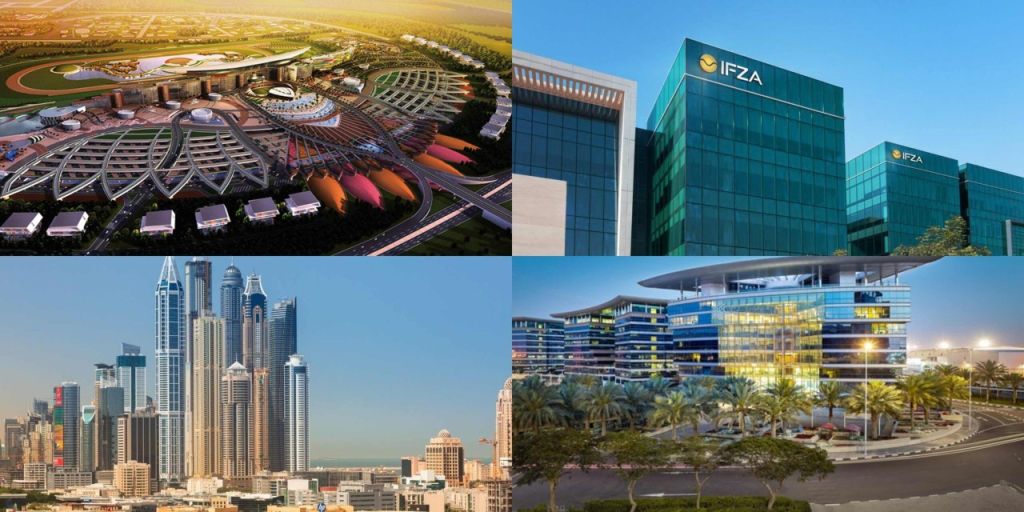
Opening a free zone office in Dubai in 2025 is still one of the fastest ways to launch a company with strong operational flexibility—especially if you’re selling services globally and want streamlined setup, ownership clarity, and a predictable licensing path. Many free zones continue to market benefits like 100% foreign ownership and repatriation of profits, which remain core reasons founders choose this route.
What matters most is not “which free zone is popular,” but which free zone matches your revenue model, visa needs, and banking reality. Below is the practical framework we use to help founders avoid the common traps: wrong licence category, underestimating banking requirements, and choosing an office package that restricts visas later.
Why opening a free zone office in Dubai still wins in 2025
Dubai’s free zones are designed to attract international business, and the typical appeal remains consistent:
- Clear ownership structure (often 100% foreign ownership)
- Profit/capital repatriation
- Trade + licensing ecosystems built around specific industries (media, commodities, tech, logistics)
That said, “tax-free forever” is outdated as a blanket claim. The UAE’s Corporate Tax framework is now a reality, and free zone companies must confirm whether they qualify for specific treatments under the rules. Start your setup with compliance clarity, not assumptions.
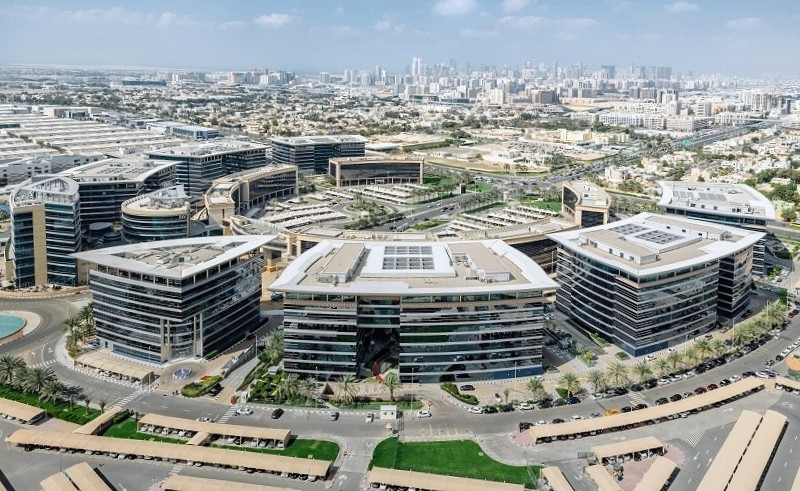
Free zone vs mainland in Dubai: the decision that saves you money
Here’s the clean way to decide:
| Factor | Free zone office | Mainland office |
|---|---|---|
| Primary sales market | Best for international + B2B, and regulated zone activity | Best if you sell directly across UAE market without constraints |
| Licensing authority | Free zone authority | Dubai economic authority route (mainland process) |
| Visas | Often tied to office package/size | Also tied to office + approvals |
| Compliance | Must follow free zone + federal rules | Must follow federal + local rules |
Rule of thumb: If your clients are mostly outside the UAE (or you’re operating digitally), free zone is often the more efficient start. If your model requires broad UAE trading without limitations, mainland may fit better.
Choose the right free zone by business model (not hype)
Pick your zone based on what you sell and what you need to do physically in Dubai.
Examples of matching logic:
- Commodities / trading → DMCC-style ecosystems
- Media / marketing / production → Media-focused zones
- Logistics / warehousing → JAFZA-type setups
- Airport-linked operations → DAFZA-style proximity benefits
Also consider where your team will live. A “perfect” free zone becomes painful if commutes and hiring get harder.
Licence types, office options, and what “flexi-desk” really means
Most founders get stuck here: they choose the cheapest desk, then discover it limits visas or banking optics.
Typical office options you’ll see:
- Flexi-desk (shared)
- Smart desk / serviced office
- Dedicated office
- Warehouse / industrial units (for logistics)
Flexi-desk can be perfect if you’re a solo founder or early-stage team. But if you need multiple visas, a client-facing presence, or stronger bank comfort, a dedicated space can reduce friction.
Corporate tax + compliance: what changed and what to confirm
The UAE’s corporate tax system includes a concept called Qualifying Free Zone Person (QFZP), where 0% corporate tax may apply to “Qualifying Income,” while other income can be taxed differently depending on the rules and activities. This is not automatic—you must meet conditions and keep compliance clean.
Before you apply, confirm:
Looking for the perfect property? Contact us now for a free consultation!
Contact us via WhatsApp- Whether your activity is “qualifying” under the current guidance
- Whether your revenue streams and counterparties align with qualifying income treatment
- Your real operating footprint (substance expectations)
If you want the most accurate interpretation for your case, use official guidance and/or a licensed tax advisor—don’t rely on generic blog summaries.
Documents checklist and timeline (realistic expectations)
Most free zones ask for similar fundamentals (exact lists vary by zone and activity). Here’s the practical checklist founders should prepare upfront:
- Passport copies + UAE entry status (if applicable)
- Photo (white background)
- Business activity description + chosen licence type
- Shareholder/manager details + brief profile
- Basic business plan (often required for certain activities)
- Proof of address + contact details
- Bank reference or financial profile (sometimes requested)
Your timeline depends mainly on: licence category complexity, name approvals, and how quickly you submit correct documents. The mainland “establishing companies” steps and process logic are also a useful reference point for how authorities think about structure and approvals.
Costs: what you’ll pay and what’s usually missed
Costs vary widely by zone and package, but founders commonly underestimate:
- Visa-related costs (medical, Emirates ID, status change)
- Office upgrade needs (to increase visa quota)
- Corporate bank account requirements (minimum balance expectations and review time)
- Compliance/renewals (licence renewals, auditing in some cases)
Best practice: budget a contingency for the first 90 days so you’re not forced into rushed decisions when a bank asks for extra documentation.
FAQ: opening a free zone office in Dubai
In many free zones, yes—100% foreign ownership is a core feature, along with profit/capital repatriation incentives. Always confirm with the specific free zone authority and your licence activity.
Often yes if your clients are mostly international or you operate digitally. If you plan to sell widely across the UAE market with fewer structural constraints, mainland can be better. Your revenue model should decide.
A flexi-desk is a shared workspace/desk solution. It’s fine for solo founders or early-stage teams, but may limit visa allocation and sometimes affects how “substance” is perceived.
Potentially. Some free zone companies may qualify as a Qualifying Free Zone Person, where a 0% rate can apply to Qualifying Income, but this depends on meeting conditions and compliance.
It’s a concept in the corporate tax framework describing free zone entities that meet specific requirements and can receive specific tax treatment on qualifying income streams.
Timelines vary by zone, activity, and document readiness. Most delays come from incorrect activity selection, name approvals, and missing documents.
Conclusion
Opening a free zone office in Dubai in 2025 can be a smart, high-control way to establish your business—if you pick the zone and licence based on how you earn revenue, not just marketing promises. The founders who move fastest are the ones who (1) match activity to the correct authority, (2) choose an office package that supports visas and banking, and (3) confirm their corporate tax position early—especially around Qualifying Free Zone Person rules and qualifying income treatment.
If you want a smooth setup, treat it like an investment: document-ready, compliance-aware, and aligned to your growth plan (team size, residency needs, and where clients come from).
Disclaimer: This article is informational and not legal/tax advice. Confirm requirements with the relevant authority and a licensed advisor.