

OPlus Realty is a real estate company and does NOT operate or book bus or travel services. This article is published for informational purposes only. For bookings, please contact official transport operators directly.
The Dubai to Oman bus service 2025 is one of the most budget-friendly and scenic ways to travel between the UAE and Muscat. Instead of booking a short but expensive flight, you can ride a cross-border coach for around AED 55 one way or AED 90 return, plus a small border exit fee, and enjoy desert and mountain views along the way.
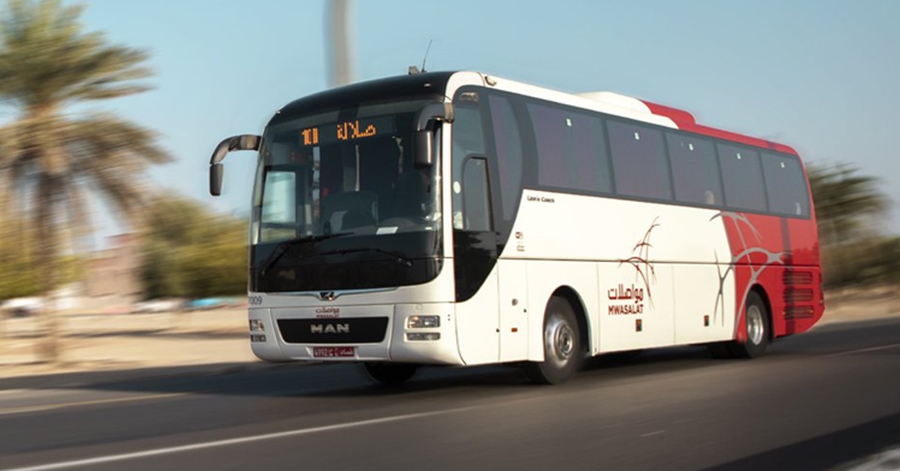
First launched in partnership between Dubai’s Roads and Transport Authority (RTA) and Oman’s national transport company Mwasalat on Route 201, the service has since evolved, with both public and private operators serving the Dubai–Muscat corridor. For frequent visitors, Oman’s beaches, wadis and old souks are now just a six-hour bus ride away.
In this guide, we’ll cover ticket prices, timings, stops, visa rules, facilities and alternative operators, so you can plan your Dubai–Oman bus trip with confidence—whether you’re a GCC citizen, UAE resident or international tourist.
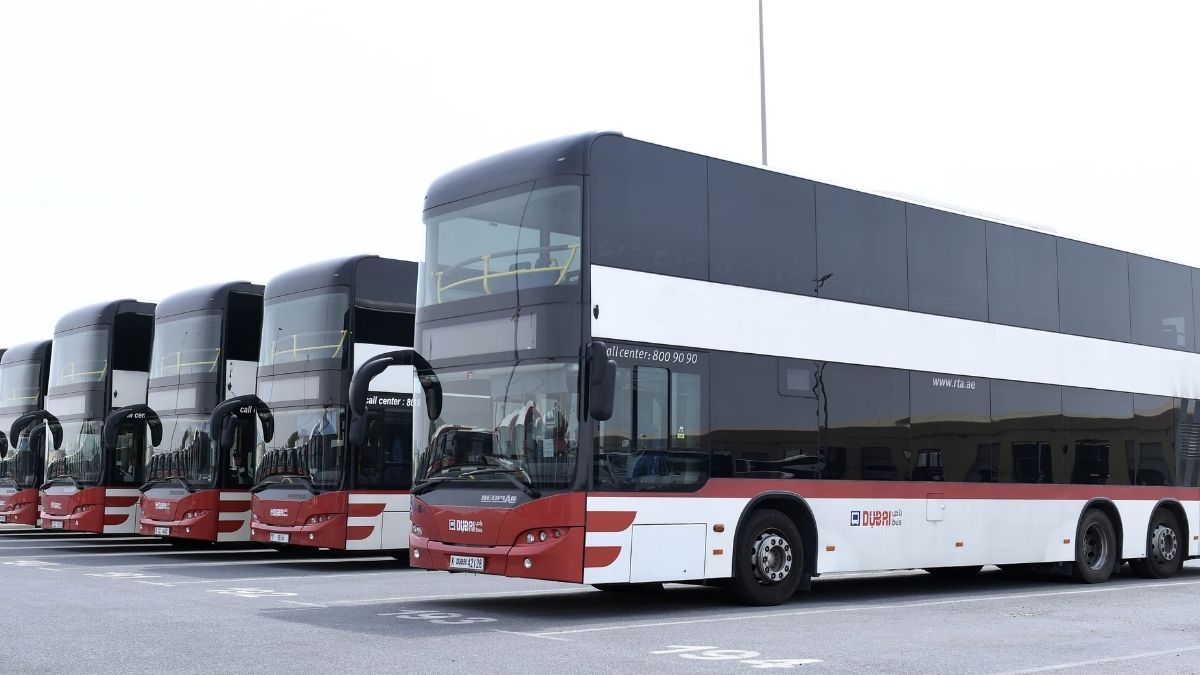
Dubai to Oman bus service overview (Route 201 & private operators)
RTA–Mwasalat Route 201 background
In 2019, RTA and Mwasalat launched Route 201, a dedicated bus line connecting Dubai and Muscat. Coaches typically started from Dubai (Abu Hail / Airport / Rashidiya), crossed via Hatta, and continued to Muscat, stopping at key Omani cities like Sohar and Shinas.
Ticket prices were set deliberately low to make regional travel more accessible, and the service quickly became popular among tourists, cross-border workers and business travellers.
Current situation in 2025 (public + private options)
The service was temporarily suspended during the pandemic, then gradually resumed. Some recent guides still describe Route 201 with RTA–Mwasalat branding, while many travellers now use private operators such as Al Khanjry Transport, which run similar Dubai–Muscat routes.
Because schedules and operators can change, treat all details in this article as indicative. For the latest information:
Dubai to Oman bus ticket prices and border fees
Standard ticket prices (Dubai → Oman)
Based on recent published fares:
- Dubai → Oman (one way): from AED 55
- Dubai ↔ Oman (return): from AED 90
These prices appear in multiple sources referencing Route 201 and are widely considered the benchmark for the Dubai–Muscat bus.
For private operators such as Al Khanjry, fares are typically higher—around AED 75–100 one way, depending on season, luggage and service level.
UAE border exit fee and other costs
In addition to your bus ticket, you should budget for:
- UAE exit fee: ~AED 35 per person at the border (keep the receipt).
- Omani visa fees: if required (see eligibility section).
- Food, drinks and any shopping stops along the way.

Dubai to Oman bus timings and main stops
Departure stations and timings in Dubai
Recent guides indicate that cross-border buses typically depart three times daily from several Dubai stations:
Typical Dubai departure points (Route 201 / similar routes):
- Dubai Airport Terminal 2: 07:45, 15:45, 23:15
- Al Rashidiya Bus Station: 08:00, 16:00, 23:30
- Abu Hail Bus Station (Salahuddin Road): 07:30, 15:30, 23:00
Private operators (e.g. Al Khanjry) often use a central office near Abu Hail / Deira, with departures around 07:00, 15:00 and 21:00 daily.
👉 Important: Timetables can shift slightly, especially on holidays. Always confirm departure times with the bus company before you travel.
Main stops in Oman
Once you cross the border, buses heading towards Muscat usually stop at several cities along the way. Published route 201 / Dubai–Muscat stops commonly include:
- Sohar
- Saham
- Khabura
- Suwaiq
- Musanah
- Barka
- Maabela
- Burj Al Sahwa
- Athaiba
- Muscat Airport
- Muscat Central Station (Ruwi)
These stops make it easy to board or disembark closer to your final destination within northern Oman.
Total distance and travel time
- Distance: roughly 400–450 km between Dubai and Muscat
- Typical journey time: ~6 hours, including border formalities, short stops and traffic.
At busy times (weekends, holidays), expect longer queues at immigration and a total time closer to 7–8 hours.
Who can travel: visa and eligibility rules
GCC nationals
Nationals of GCC countries can usually travel between Dubai and Oman using their national ID card only, without needing a separate visa:
- UAE
- Oman
- Saudi Arabia
- Bahrain
- Kuwait
- Qatar
This makes the bus a very convenient option for GCC residents planning quick weekend trips.
UAE residents and international tourists
If you’re not a GCC national, you typically need:
- A valid passport (6+ months validity).
- A valid UAE residence visa (if you live in the UAE).
- An Oman visa (e.g. eVisa or visa-on-arrival, depending on your nationality).
Visa rules can change, so always check the latest requirements on:
- Royal Oman Police / official Oman eVisa portal
- Your airline or consulate travel advisories
- Visit: Oman eVisa official site
Onboard facilities, comfort and luggage
Facilities on Dubai–Oman buses
Most Dubai–Oman coaches are modern, air-conditioned buses designed for long-distance routes. Common features include:
- Comfortable reclining seats
- Air-conditioning with individual vents
- Wi-Fi on many services
- Overhead reading lights
- USB charging or power sockets on some buses
- Luggage holds under the bus
Official descriptions from Mwasalat and recent travel guides confirm that Route 201 and private operators use full-size coaches with around 50 seats, suitable for long journeys.
Luggage allowance and border checks
Typical allowance (varies by operator):
- 1 checked bag up to ~23 kg
- 1 cabin bag up to ~7 kg
At the Hatta border, all passengers must:
- Get off the bus with their hand luggage
- Complete UAE exit procedures
- Walk to the Oman immigration counter with passport and visa
- Return to the bus after security checks
Oversized or excess luggage may incur additional fees or be refused during busy travel days.
Other Dubai–Oman bus options (private operators)
Al Khanjry and similar services
Alongside RTA–Mwasalat Route 201, private operators now handle a significant share of Dubai–Muscat traffic. One of the most frequently mentioned is Al Khanjry Transport, which:
- Operates buses daily between Dubai and Muscat
- Runs from offices near Abu Hail / Deira in Dubai and Ruwi in Muscat
- Typically departs around 07:00, 15:00 and 21:00 from Dubai
- Charges around AED 75–100 one way (or ~OMR 10 from Muscat)
Tickets are usually bought in person, though some operators now offer phone or WhatsApp booking.
Private buses can be a better option if:
- Public bus slots are fully booked
- You prefer a slightly more flexible schedule
- You want smaller group vans or tourist coaches with extra comfort
Practical tips for a smooth Dubai to Oman bus trip
Booking, documents and timing
- Book early around weekends and public holidays.
- Arrive at the station at least 30–45 minutes before departure.
- Carry:
- Passport + copies
- UAE Emirates ID (if resident)
- Oman visa (if required)
- Proof of onward plans if immigration asks
What to pack and expect
- Light jacket or shawl (buses can be quite cold).
- Snacks and water (there are stops, but choices vary).
- Offline maps and phone charger / power bank.
- Patience for border queues and security checks.
The scenery improves as you get closer to Oman—rugged mountains, coastal views and small towns—so keep your camera ready.
FAQs about travelling from Dubai to Oman by bus
OPlus Realty is not a transport provider and does not arrange trips or bookings.
The Dubai–Muscat bus journey usually takes around 6 hours, including border formalities and short stops. During busy periods, it can extend to 7–8 hours.
Standard Route 201 fares start from about AED 55 one way and AED 90 return, plus a AED 35 UAE exit fee. Private operators may charge AED 75–100 one way.
Common Dubai departure points include Abu Hail Bus Station, Rashidiya and Dubai Airport Terminal 2. Private buses often start from offices in Deira / Abu Hail.
GCC nationals typically don’t need a visa and can travel with their national ID. Most other nationalities need an Oman visa, which can often be obtained as an eVisa or visa-on-arrival, depending on passport. Always check current rules.
Yes. UAE residents can use the bus service as long as they have a valid residence visa, passport and the appropriate Oman visa.
Conclusion: Is the Dubai–Oman bus service worth it in 2025?
For many travellers, the Dubai to Oman bus service 2025 is the perfect balance between cost and experience. Tickets starting around AED 55, plus a modest border fee, make it significantly cheaper than flights, while still offering a comfortable, air-conditioned ride with multiple daily departures. You can board from key Dubai hubs like Abu Hail, Rashidiya or Airport Terminal 2 and step off in Muscat or northern Omani cities without the stress of driving yourself across the border.
If you’re based in Dubai—or planning to move here—the bus opens up an easy weekend escape to Oman’s beaches, forts and mountain landscapes. Choose between Route 201-style services and private operators depending on schedule and comfort preferences, always double-checking the latest timings, fares and visa rules.