

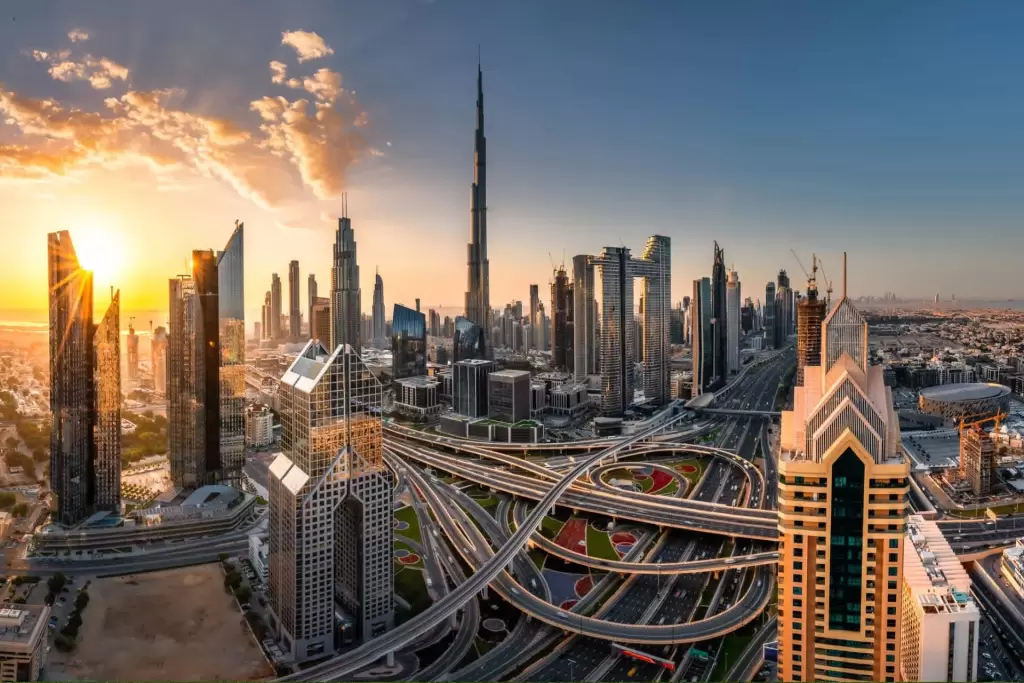
Dubai property market 2026 is entering a calmer, more selective phase—without losing its demand base. After a record-setting 2025, buyers are asking tougher questions: delivery credibility, infrastructure, commute logic, and resale fundamentals are now driving decisions more than branding alone.
This shift matters whether you’re planning to buy a family home, rent for flexibility, or invest for yield and long-term appreciation. In 2026, the “winners” are likely to be assets that combine location, connectivity, and quality execution—while poorly positioned or overhyped launches may find it harder to command premiums.
At OPlus Realty, we’ve seen this change firsthand in late 2025: clients increasingly request side-by-side comparisons of service charges, handover track records, metro access, school proximity, and resale liquidity—before they even shortlist layouts.
Why Dubai property market 2026 is shifting from speed to selectivity
Dubai closed 2025 with standout transaction momentum, but the market mood is changing: less rush, more analysis. This isn’t a demand drop—it’s a maturity move. Buyers are prioritising “use-value” (how the home works day-to-day) and “exit-value” (how easily it resells or rents).
A key expectation for 2026: Tier-1 delivery and credible fundamentals will matter more than launch hype, especially in off-plan where execution risk is a real factor.
What 2025 records reveal about 2026 demand
Between January and November 2025, Dubai recorded 197,000+ property transactions worth Dh624.1 billion, surpassing previous records even before year-end.
This level of activity was supported by:
- global capital inflows and end-user demand
- off-plan momentum via payment plans
- families choosing to buy in established, service-rich communities
In 2026, demand is expected to remain—but expressed more selectively, with sharper scrutiny on pricing logic and long-term community planning.
Buying in 2026: where “liveability” wins
For end-users, 2026 is likely to reward homes that reduce friction in daily life: commute, walkability, schools, services, and community operations. Gulf News notes buyers are paying greater attention to connectivity, infrastructure, and resale logic.
What to look for (end-user checklist):
- proven handover quality + realistic completion timelines
- transport access (metro corridors, arterial roads)
- schools + clinics + retail within practical reach
- service charges aligned with amenities and building age
Investing in 2026: luxury stays resilient, off-plan gets choosier
Dubai’s luxury segment continues to act as an anchor, supported by structural undersupply in ultra-prime pockets. Gulf News highlights districts such as Palm Jumeirah, Jumeirah Bay Island, Emirates Hills, Dubai Hills Estate, and Mohammed Bin Rashid City as areas with strong resale activity and limited tolerance for discounts.
At the same time, 2026 investing is increasingly about risk-adjusted returns, not “headline appreciation.” That means verifying:
- developer delivery history
- construction-linked payment plans that remain realistic
- rental depth (who rents here, at what budget, and how stable is demand)
Renting in 2026: a more balanced, seasonal market
Dubai rentals are expected to move into adjustment rather than correction. Multiple reports referencing Colife forecasts point to an average vacancy rate around 12% in 2026, with higher vacancy in summer and tighter supply in late-year peak months.
Colife-linked commentary also suggests low-season rents may dip by up to ~5%, while high-season rates remain closer to recent levels.
Practical renter strategy for 2026 (especially families):
Looking for the perfect property? Contact us now for a free consultation!
Contact us via WhatsApp- negotiate in low season (summer)
- prioritise quality building management
- lock longer leases in stable, non-touristic districts where pricing is more predictable
Infrastructure-led hotspots: where connectivity becomes a pricing factor
Connectivity is increasingly priced in. Gulf News highlights that communities linked to major projects—especially the Dubai Metro Blue Line narrative—are seeing renewed attention, including Dubai Creek Harbour and Festival City, plus parts of Dubai Silicon Oasis and International City.
Beyond metro, longer-horizon infrastructure such as Etihad Rail is reshaping how investors view logistics corridors and zones like Dubai South as strategic plays rather than short-term speculation.
Buy vs rent vs invest in 2026: quick decision table
| Your goal | Best move in 2026 | What to prioritise |
|---|---|---|
| Stability + family lifestyle | Buy | schools, commute, service charges, resale liquidity |
| Flexibility + short-term horizon | Rent | low-season negotiation, building quality, contract terms |
| Returns + long-term positioning | Invest | developer credibility, undersupplied segments, infrastructure tailwinds |
FAQ: Dubai property market 2026
It’s expected to moderate in pace, but not necessarily weaken. The shift is toward more selective, fundamentals-driven buying after a record 2025.
Gulf News reports 197,000+ transactions worth Dh624.1B (Jan–Nov 2025), already beating prior annual records before year-end.
Yes—if the project has credible delivery history, realistic payment plans, and strong location fundamentals. Buyers are expected to scrutinise execution more than in 2025.
Luxury districts with structural undersupply (prime villas, branded residences, waterfront homes) remain resilient in reported outlooks.
Some forecasts suggest low-season rents could soften up to ~5%, while overall vacancy averages around ~12%, creating a more seasonal market.
Summer months tend to see higher vacancy (and better negotiation leverage), while late-year months are typically tighter.
Gulf News highlights renewed interest in areas like Dubai Creek Harbour and Festival City, with attention also on parts of Dubai Silicon Oasis and International City tied to connectivity narratives.
Often renting is safer for short horizons due to transaction costs and market cycle risk—unless you’re buying a highly liquid, well-located unit with strong rental depth.
Buying based on hype instead of verifying fundamentals: delivery track record, service charges, tenant demand, and exit liquidity.
Some analysts have warned that supply waves can pressure prices, especially outside prime segments, though outcomes depend on delivery timing and demand absorption.
No—this is market education. Always evaluate your risk profile, financing, and time horizon before committing.
Conclusion: what to do in Dubai homes in 2026
Dubai property market 2026 looks less like a sprint and more like a strategy game. The market is transitioning from momentum-led decisions to data-backed, liveability-first choices, especially for end-users. At the same time, luxury remains structurally supported in prime pockets, while rentals may become more seasonal—with negotiation windows opening in low-demand months.
At OPlus Realty, our 2026 approach is simple: shortlist only properties where fundamentals align—developer credibility, connectivity, and long-term usability—then negotiate hard based on real comps and market timing.