

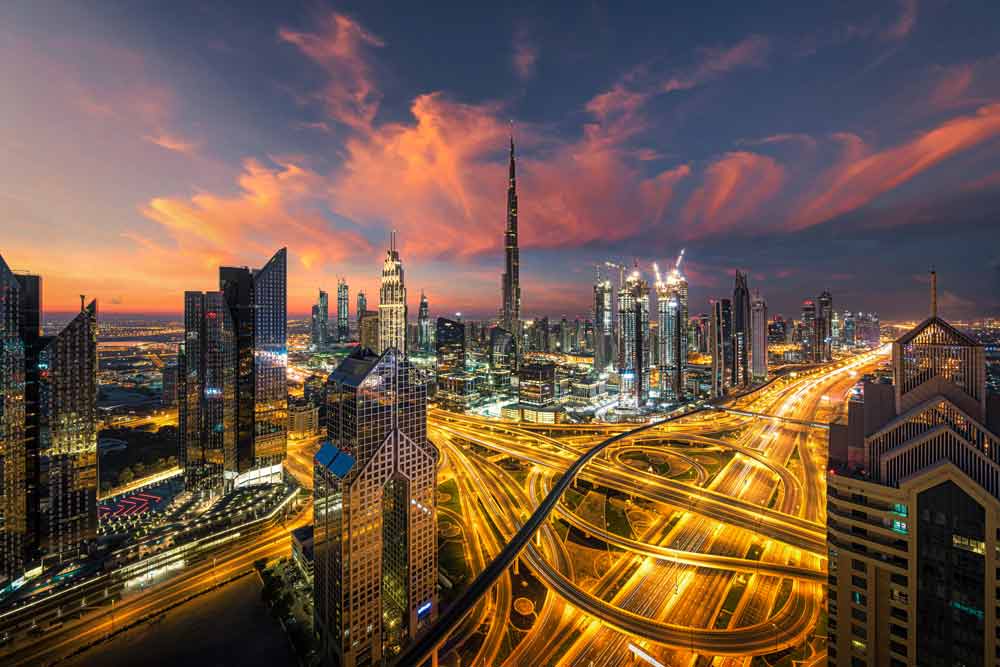
Dubai areas and communities list pages help people make faster decisions—because Dubai isn’t “one city,” it’s a network of distinct districts built around planning zones, roads, and lifestyle anchors. Dubai’s official population reporting shows the emirate is divided into nine planning sectors, and community-level data is used to support infrastructure and services.
Bottom line: if you understand (1) where a community sits on the map, (2) how people commute, and (3) what the name actually implies (geography, history, or aspiration), you’ll shortlist better—whether you’re renting, buying, or investing.
How Dubai is organised: sectors, communities, neighbourhoods
Dubai’s planning structure is commonly explained in three layers: broad planning sectors, then official communities, then smaller sub-communities/neighbourhoods. The Dubai Statistics Center’s population bulletin explicitly references planning sectors and population distribution by communities, illustrating how communities are used for planning and service delivery.
Community vs district vs neighbourhood (practical use)
- Community: the official area used for planning and reporting
- District: often a mixed-use or commercial/heritage label (may overlap communities)
- Neighbourhood/Sub-community: a smaller cluster (often a project/phase)
Historic districts (Old Dubai)
Al Fahidi / Al Bastakiya
This is where Dubai’s trading-era identity feels most visible—lane-style streets, heritage buildings, museums, and creek-adjacent culture experiences. It’s not “villa living,” but it’s unmatched for history and proximity to old souks.
Deira & Bur Dubai
Deira and Bur Dubai remain foundational for legacy commerce and old-city living, with heavier density and high amenity access. For renters, these areas can offer value and centrality—especially for creek corridor access.
Residential suburbs and gated communities
Arabian Ranches (family villas)
Arabian Ranches is widely understood as family-first villa living with a gated-community feel. It suits buyers/renters prioritising space, schools, and a quieter environment.
Al Barsha (central residential)
Al Barsha is a practical “middle-of-Dubai” residential base—villas + mid-rise apartment pockets, with strong road connectivity and day-to-day convenience.
Al Furjan (Jebel Ali corridor)
Al Furjan is a modern master-planned option in the Jebel Ali corridor, typically shortlisted by renters who want newer stock, practical layouts, and access to broader south/west Dubai.
Mirdif, Al Nahda, Muhaisnah (east suburbs)
These are popular for residents who prefer east Dubai access, school ecosystems, and “normal neighbourhood living” rather than destination-luxury branding. The Dubai Metro/Tram network map is useful for validating whether your commute is rail-friendly (and where you’ll rely on roads).
Luxury & waterfront districts
Jumeirah, Umm Suqeim, JBR
These coastal zones are lifestyle-led: beach access, promenades, dining, and premium rents. If your priority is “Dubai brand living,” this is usually where the shortlist starts.
Downtown Dubai & Business Bay
Downtown is landmark-driven (Burj Khalifa/Dubai Mall orbit), while Business Bay is mixed-use with a heavier business footprint. They fit professionals who want centrality and high-rise convenience.
Bluewaters & Palm-style islands
These are identity communities—built around leisure, views, and premium positioning. Expect a higher lifestyle premium than “pure utility” areas.
New master-planned areas and mega projects
Mohammed Bin Rashid City (MBR City) clusters
MBR City functions like a “mega umbrella” that includes multiple clusters (each with its own identity). These areas tend to price at the premium end due to masterplanning, branding, and newer infrastructure.
Dubai Creek Harbour & International City
Dubai Creek Harbour is waterfront-urban masterplanning, while International City is often positioned as more budget-friendly. Treat them as two different buyer/renter personas.
Industrial areas and transitional zones
Al Quoz
Al Quoz is mixed-use in practice: industrial logistics plus a known creative/arts presence. It’s a “function-first” location that can be very convenient depending on your work base.
Ras Al Khor
Ras Al Khor combines wetlands/wildlife sanctuary identity with industrial zones—often relevant for people working in logistics or needing strong road movement.
Table: compare communities by “fit” (fast decision-making)
| Category | Best for | Examples | Key trade-off |
|---|---|---|---|
| Historic core | Culture + creek access | Deira, Bur Dubai | Density, older stock |
| Central utility | Balance of access + amenities | Al Barsha | Mixed building quality |
| Family gated | Space + parks + schools | Arabian Ranches | Commute reliance on roads |
| Waterfront lifestyle | Views + walkability + premium | JBR, Jumeirah | Higher rent/fees |
| Landmark high-rise | Central + iconic living | Downtown, Business Bay | Traffic peaks, higher service charges |
| Budget & access | Value seekers | International City, Al Nahda | Less “luxury” feel |
| Industrial + convenience | Work-led short commutes | Al Quoz, Ras Al Khor | Heavy vehicle movement |
Dubai name meanings: common Arabic prefixes and terms
Dubai names often reflect Arabic descriptors, geography, and heritage. These common elements show up repeatedly:
Prefix meanings (quick guide):
- Al = “the” (definite article)
- Umm = “mother of” (often linked to a defining feature)
- Ras = “head/tip” (often coastal/edge geography)
You’ll also see environmental terms such as Wadi (valley) and Jebel (mountain/hill) in UAE place naming patterns.
Tips for choosing where to live in Dubai
Use this short decision lens (works for both renting and buying):
- Commute reality: rail vs road dependency (validate via RTA station mapping).
- Lifestyle anchor: beach, schools, parks, nightlife, or pure quiet
- Budget honesty: include service charges/maintenance expectations
- Construction risk: newer zones may have active build-out phases
FAQs: Dubai areas and communities list
Dubai uses planning sectors and officially recognised communities to support urban planning and public services. The Dubai Statistics Center reports population by nine planning sectors and then breaks down residents by communities for planning decisions.
A community is typically an official administrative area used for planning and reporting. A district is a broader label often used for mixed-use, commercial, or heritage zones and may overlap multiple communities.
Family shortlists usually prioritise space, parks, and school ecosystems. Gated villa communities (e.g., Arabian Ranches) and practical residential hubs (e.g., Al Barsha, Mirdif) are common starting points.
Waterfront and landmark districts are typical luxury choices—Jumeirah/JBR for coastal lifestyle and Downtown for iconic central high-rise living. Expect higher rents and service charges.
Many renters consider east and outer communities for value, then judge connectivity via road access or proximity to Metro/Tram. Use the RTA station map to validate your daily route.
“Al” is the Arabic definite article meaning “the.” It’s used in many place names to describe a feature or identity (e.g., “the” dunes, “the” ridge, etc.).
“Umm” commonly translates as “mother of,” historically used to reference a defining feature of an area (terrain, landmark, or characteristic).
“Ras” translates to “head” or “tip,” and is commonly used for geographic edges like creek heads, points, or coastal tips.
Conclusion: make Dubai feel “simple” in one shortlist
Dubai becomes much easier once you treat it as a structured map: planning sectors → communities → neighbourhood clusters. Dubai’s official reporting shows sector and community-level planning is central to how the city allocates services and infrastructure.
Your best next step is to choose one “non-negotiable” (school run, beach access, Metro proximity, or quiet family streets), then shortlist only the communities that truly match it. From there, the right building/cluster selection becomes a practical filtering exercise—not guesswork.
If you want, OPlus Realty can turn this guide into a personalised shortlist (3 communities + 10 listings) based on your budget, commute, and lifestyle.