
If you’re searching “Bali visa for UAE residents”, the most important truth in 2025 is this: Indonesia visa eligibility is based on your passport nationality—not your UAE residence visa. That means an Emirati passport holder and an expat UAE resident may face different rules even if both live in Dubai.
For most short holidays, travellers use Visa on Arrival (VoA) or the electronic Visa on Arrival (e-VoA), which typically starts with 30 days and can be extended once (rules depend on your visa class and entry). For longer stays, Indonesia’s official eVisa portal lists a 60-day tourist/visit option under its visitor visa products (often referenced as C-type visit visas).
What many UAE-based travellers miss are the two extra steps that can affect your arrival flow: the Bali Tourist Levy (IDR 150,000) and Indonesia’s Electronic Customs Declaration (ECD), both separate from your visa process.
The one rule UAE residents must understand first: passport nationality decides

UAE citizens vs expat UAE residents
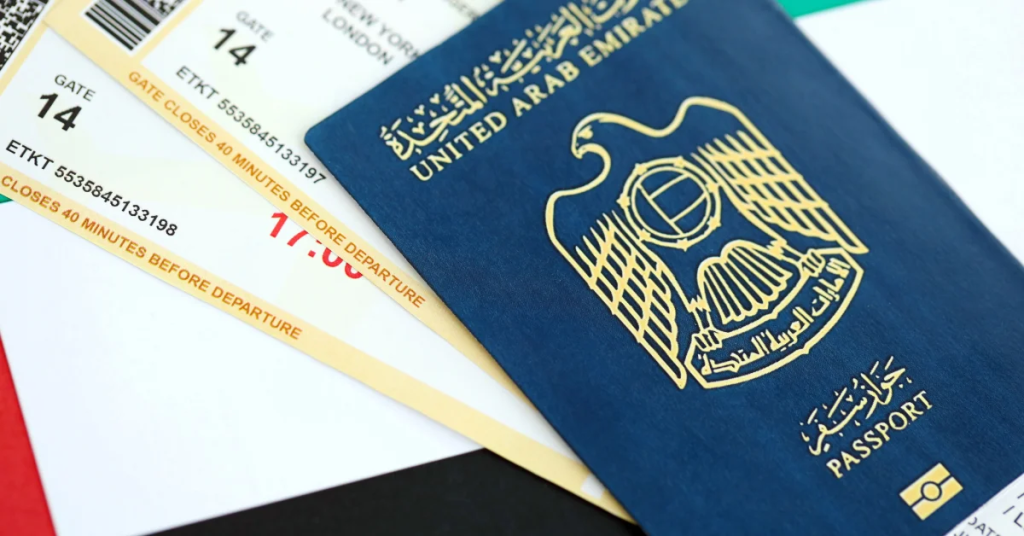
- Emirati passport holders: Indonesia lists United Arab Emirates among eligible nationalities for the e-VoA program.
- Expat UAE residents: your passport (not your Emirates ID) determines whether you can use VoA/e-VoA or must apply for a different visitor visa.
Quick decision framework (fast and practical)
- Trip up to ~30 days: VoA or e-VoA is usually the simplest if your passport is eligible.
- Trip that may reach ~60 days: plan for the allowed extension path from day one (don’t “wing it”).
- Trip beyond 60 days: use a longer-stay visitor visa route via Indonesia’s official eVisa portal products rather than stacking short permissions.
Bali visa options for 2025 (VoA, e-VoA, C1)
Indonesia’s official eVisa system provides visitor visa products (including e-VoA listings and longer visitor visa options). For UAE-based travellers, these are the usual choices:
Option 1: Visa on Arrival (VoA)
- Paid at the airport (when eligible)
- Fee commonly shown as IDR 500,000 by Indonesian embassy guidance
- Requires standard travel docs (passport validity + onward ticket)
Option 2: Electronic Visa on Arrival (e-VoA)
- Apply online before flying (same core permission, smoother immigration flow)
- UAE is included in the eligible nationality list on the official Imigrasi e-VoA page
Option 3: Longer visit visa (commonly discussed as “C1” route)
Indonesia’s eVisa portal lists visitor visa products with up to 60 days stay and a fee shown as IDR 1,500,000 for a tourist visa product in its FAQ section.
(Exact naming can vary by the product you select inside the portal—always match the visa to your length of stay and activity.)
Fees & duration at a glance (quick table)
| Visa option | Best for | Typical stay | Notable fee signals |
|---|---|---|---|
| VoA | 7–30 day holidays | ~30 days | IDR 500,000 |
| e-VoA | Same as VoA, smoother entry | ~30 days | Eligibility includes UAE |
| Tourist/visit visa (60-day product) | Longer stays | Up to 60 days | IDR 1,500,000 listed |
Requirements checklist for VoA / e-VoA (what you must carry)
Here’s the short version: your docs matter more than your hotel choice. Airlines and immigration can ask for proof at check-in or on arrival.
Checklist (keep digital + printed):
- Passport valid for at least 6 months
- Return/onward ticket (don’t leave this flexible)
- Accommodation proof (hotel booking or address)
- Funds proof (rarely asked, but useful if questioned)
Common refusal triggers:
- Passport expiring soon
- Missing onward ticket
- Mismatch between passport name and submitted details (especially for online steps)

Mandatory arrivals steps many travellers miss (Tourist Levy + Customs)
1) Bali Tourist Levy (IDR 150,000) — separate from your visa
Bali’s provincial government runs the official levy site (LoveBali) and guidance. The levy is IDR 150,000 and generates a QR voucher.
Practical best practice:
- Pay online before you fly when possible (less friction)
- Save the QR voucher (screenshot + email copy)
2) Electronic Customs Declaration (ECD)
Indonesia uses an Electronic Customs Declaration portal (commonly referenced as ecd.beacukai.go.id) for arriving travellers.
Complete it before arrival when you can and keep the confirmation/QR accessible.
3) Digital arrivals declaration changes (watch this before you fly)
Some 2025 travel reporting indicates a newer “digital arrivals declaration” workflow via an official app-based system at selected entry points (including Bali’s main airport) starting in 2025. Because implementation can expand, re-check official instructions close to departure.
Extensions, overstays, and penalties (avoid expensive surprises)
VoA extension (don’t wait until the last minute)
If you plan to extend, treat it like a scheduled task: begin the process early enough to avoid being forced into an overstay.
Looking for the perfect property? Contact us now for a free consultation!
Contact us via WhatsAppOverstay penalties (serious and expensive)
Indonesia’s official eVisa FAQ notes overstay consequences can include a fine of IDR 1,000,000 per day, and possible detention/deportation/bans.
UK government guidance repeats the IDR 1,000,000/day fine for overstays (up to 60 days).
The simplest rule:
- If there’s any risk you’ll stay longer, choose the visa plan that fits the longest realistic stay.
Practical tips for UAE residents (smooth trip planning)
Here’s the planning shortcut that works for most Dubai-based travellers:
- 7–14 days: e-VoA if eligible (fast entry), pay levy online, do ECD early.
- 30–60 days: plan the extension path before you fly; avoid last-week scrambling.
- 60+ days: use the longer visitor visa option via the official portal instead of hoping you can “figure it out later.”
Family and mixed passports:
- Verify eligibility per passport (don’t assume the whole family is covered).
- Keep each traveller’s levy voucher and documents separate.
FAQs Bali visa for UAE residents
Yes. UAE residence does not remove visa requirements. Entry permission depends on your passport nationality, typically via VoA, e-VoA, or an advance visitor visa. UAE passport holders are listed among eligible nationalities for Indonesia’s e-VoA.
In most cases, Emirati passport holders use VoA or e-VoA rather than visa-free entry. Indonesia’s e-VoA eligibility list includes United Arab Emirates. Always re-check official guidance shortly before departure.
Embassy guidance lists the Visa on Arrival fee as IDR 500,000 and notes standard requirements like a passport with at least six months validity and an onward/return ticket.
Bali charges a Tourist Levy of IDR 150,000 via the official LoveBali system, which generates a QR voucher. It’s separate from visa fees, so plan it as an additional mandatory arrival step.
You may be asked to complete an Electronic Customs Declaration (ECD) using the official customs portal (commonly referenced as ecd.beacukai.go.id). Completing it before arrival can reduce friction at baggage/customs.
Both are short-stay entry permissions, but e-VoA is completed online before travel and can make airport processing smoother. Eligibility depends on passport nationality; UAE appears on the official e-VoA eligible list.
Conclusion
Bali remains one of the easiest “big trip” destinations for Dubai-based travellers—if you plan the paperwork correctly. The smartest approach is to treat Bali visa for UAE residents as a passport-driven decision: your UAE residency is helpful for travel logistics, but it does not define eligibility. For short holidays, VoA/e-VoA usually delivers the fastest path. For longer stays, choosing a 60-day visitor visa product from Indonesia’s official eVisa portal can be cleaner than trying to patch together extensions.
Most arrival friction in 2025 comes from “small” steps people ignore: Bali Tourist Levy (IDR 150,000) and the Electronic Customs Declaration, plus any evolving digital arrivals requirements. Do these early, keep QR codes saved, and you’ll avoid queues and last-minute surprises.